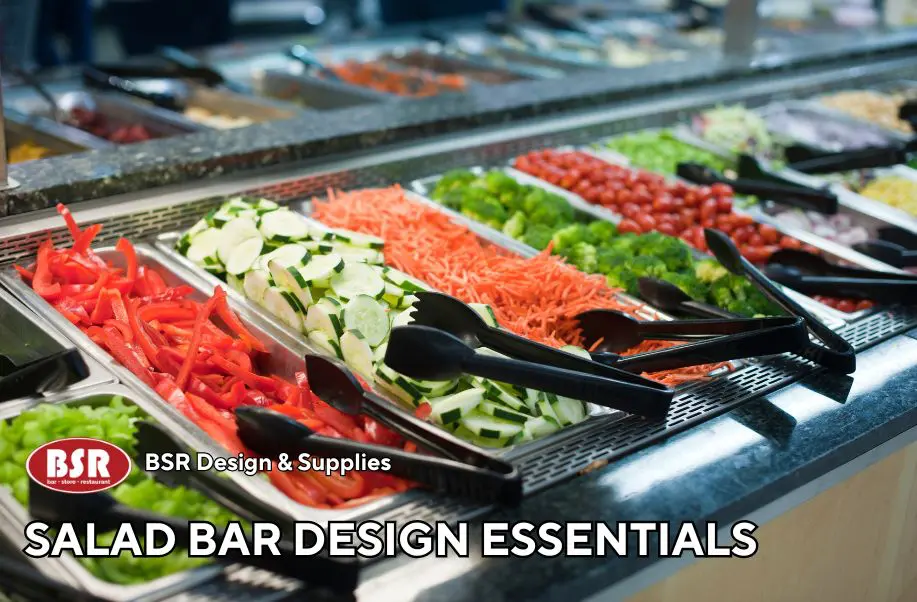
Many restaurant owners assume they need a large dining room to offer a salad bar. In reality, a well-designed restaurant salad bar can fit into surprisingly small spaces while creating an additional revenue stream, improving guest satisfaction, and increasing average ticket size.
The key isn’t having more space; it’s making better use of the space you already have.
Whether you’re planning a new restaurant or upgrading your current operation, thoughtful commercial kitchen design can help you build a salad bar that improves efficiency for both employees and customers.
Here’s how to create a restaurant salad bar that maximizes every square foot.
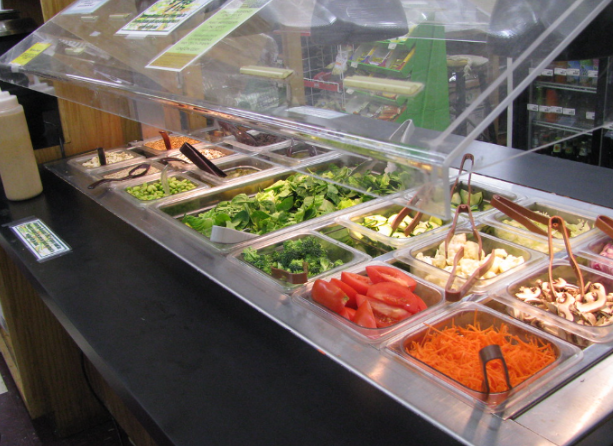
Start With Traffic Flow
Before selecting equipment, think about how guests will move through the space.
One of the biggest mistakes operators make when planning a restaurant kitchen layout is choosing equipment first and worrying about customer flow later. Even the highest-quality salad bar equipment won’t perform well if guests constantly run into each other or staff must cross customer traffic to refill ingredients.
Ask yourself:
- Where will customers enter the line?
- How will they move from one ingredient to the next?
- Where will they pay?
- Can multiple guests build salads at the same time?
- Will staff have easy access for refilling ingredients without interrupting customers?
A well-planned layout keeps guests moving naturally from start to finish while reducing congestion during busy meal periods. It also makes the station easier for employees to maintain throughout service.
Pro Tip
Position your salad bar where guests naturally walk instead of forcing them into a separate traffic pattern. A convenient location encourages more customers to stop, increasing participation and boosting food sales.

Choose the Right Refrigerated Prep Table
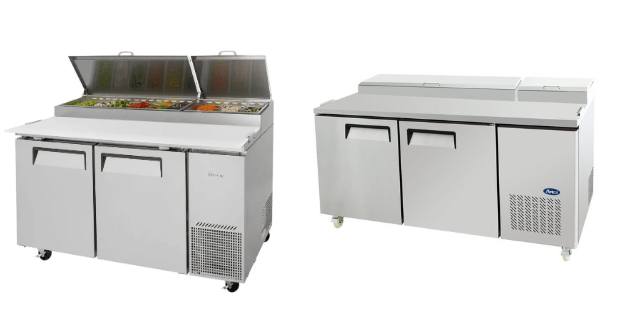
For many foodservice operations, refrigerated commercial prep tables serve as the foundation of an efficient salad bar.
Rather than separating refrigeration, storage, and food preparation into multiple pieces of equipment, prep tables combine everything into one compact workstation. This keeps ingredients within easy reach while reducing unnecessary movement for kitchen staff.
The result is faster prep times, better organization, improved food safety, and more efficient use of valuable kitchen space.
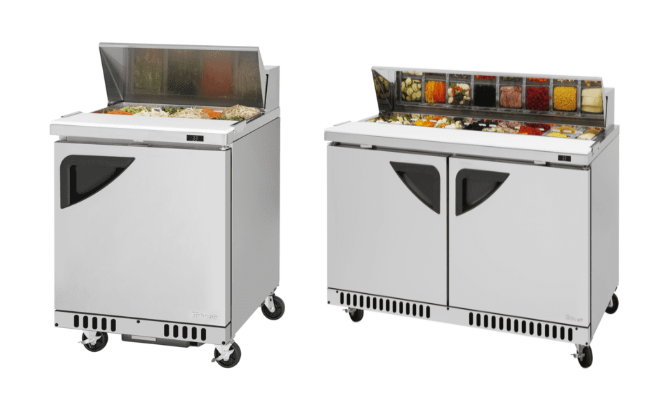
Salad & Sandwich Prep Refrigerators
Commercial Salad and sandwich prep refrigerators are designed for restaurants that prepare made-to-order salads, wraps, sandwiches, and cold menu items throughout the day.
These units typically include:
- Refrigerated ingredient pans
- Convenient cutting and assembly surface
- Under-counter refrigerated storage
- Easy access to frequently used ingredients
- Faster preparation during busy service
They’re an excellent choice for cafés, sandwich shops, delis, universities, healthcare facilities, and fast-casual restaurants looking for compact commercial salad bar equipment.
Pizza Prep Refrigerators
While designed for pizza production, pizza prep refrigerators can also be an outstanding solution for salad-focused operations.
Their larger ingredient rails allow restaurants to store a greater variety of vegetables, cheeses, proteins, fruits, and specialty toppings without constantly restocking during peak hours.
Benefits include:
- Larger ingredient capacity
- Expanded preparation workspace
- Better ingredient organization
- Faster assembly for customizable menu items
- Improved efficiency during high-volume service
Restaurants offering build-your-own salads, grain bowls, wraps, or pizzas often benefit from the additional flexibility these units provide.
Why Refrigerated Prep Tables Work in Small Spaces
Not every restaurant has room for a large, traditional commercial salad bar.
That’s why many operators choose refrigerated prep tables instead.
By combining refrigerated storage, ingredient organization, and food preparation into a single footprint, these units eliminate the need for multiple pieces of equipment while keeping ingredients fresh and easily accessible.
For restaurants with limited square footage, this approach creates a cleaner workflow, minimizes employee movement, and maximizes every inch of available space.
Prioritize Refrigeration Performance
Fresh produce is only as good as the equipment keeping it cold.
Reliable refrigeration protects food quality, extends ingredient life, reduces waste, and helps restaurants meet local food safety regulations.
When comparing commercial salad bar equipment, look for features such as:
- Heavy-duty stainless-steel construction
- High-performance refrigeration systems
- Adjustable ingredients pan configurations
- Durable sneeze guards
- Easy-to-clean surfaces
- Energy-efficient operation
Investing in quality refrigeration often lowers maintenance costs while helping your equipment perform consistently for years.

Design for Easy Restocking
A successful salad bar isn’t just convenient for customers; it should also be simple for employees to maintain.
Consider how staff will refill ingredients throughout the day without interrupting guests. Position backup refrigerated storage nearby and leave enough workspace behind the station for employees to safely replace pans, clean surfaces, and monitor food temperatures.
An organized restocking process reduces downtime, keeps ingredients fresh, and helps maintain an attractive presentation throughout service.
Maximize Food Presentation
Guests eat with their eyes first.
An organized, well-stocked salad bar encourages customers to add more toppings and often leads to higher ticket averages.
Arrange ingredients from lighter items to heavier proteins, keep colors balanced throughout the display, and avoid overcrowding ingredient pans. Fresh-looking produce, clean sneeze guards, and neatly organized toppings create a more inviting experience while reinforcing your commitment to quality.
Simple presentation improvements can make a significant difference in customer perception and overall sales.
One of the smartest investments you can make is designing a salad bar that can grow alongside your business.
As customer demand increases, you may want to add:
- Additional refrigerated displays
- Expanded topping selections
- Soup wells
- Cold beverage displays
- Grab-and-go meals
- Fresh fruit stations
- Dessert displays
Planning for future expansion during the initial design phase can help avoid expensive renovations and equipment relocations later.

Keep Cleaning and Maintenance in Mind
Daily cleaning is one of the most overlooked aspects of salad bar design.
Choosing equipment with removable ingredient pans, rounded interior corners, accessible refrigeration components, and durable stainless-steel surfaces make cleaning faster and helps maintain food safety standards.
Routine maintenance also improves refrigeration performance and extends the lifespan of your investment, reducing costly repairs over time.
Need Help Designing a Salad Bar?
A successful salad bar isn’t just about fitting equipment into a room; it’s about creating an efficient flow that supports both guests and staff while maximizing every square foot of available space.
From layout planning to equipment selection, every decision impacts speed of service, food safety, and overall operational efficiency. Choosing the right salad bar equipment, including refrigerated prep tables and sandwich or pizza prep refrigerators, can help restaurants build a more streamlined and profitable food service area.
BSR specializes in helping restaurants, cafés, delis, and foodservice operations design efficient layouts and select the right equipment for long-term performance.
If you’re planning a new restaurant salad bar or upgrading an existing one, contact BSR today. We’ll help you design a commercial kitchen that makes the most of your space while recommending the right equipment to keep your operation running efficiently for years to come.

0 Comments