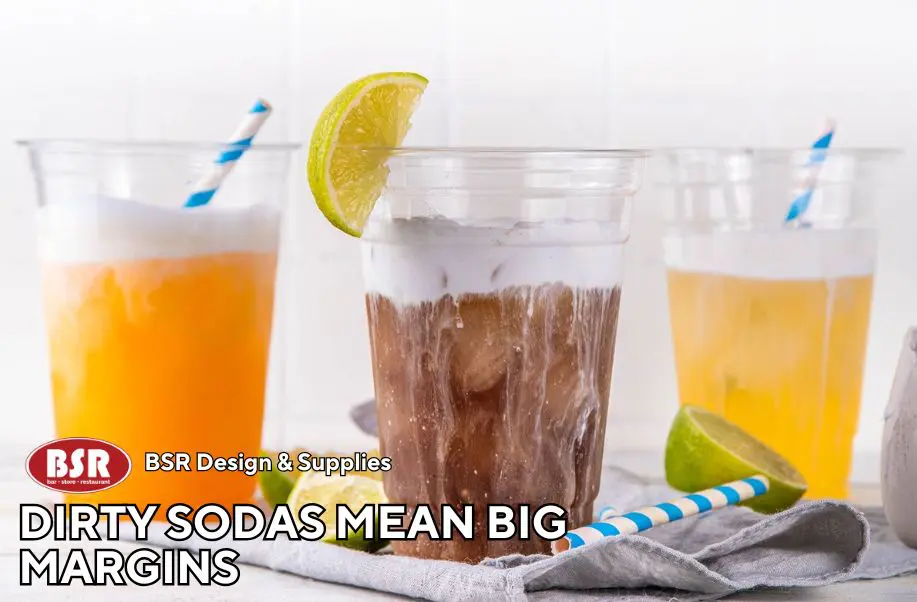
Dirty sodas are quickly becoming one of the fastest-growing beverage trends in restaurants, cafés, and quick-service concepts. What started as a niche soda-shop idea has turned into a high-margin beverage category that drives repeat customers, social media engagement, and increased revenue.
Most restaurants assume dirty sodas only require a soda fountain and flavored syrups. But once volume increases, the beverage station becomes a complete workflow system. The difference between a slow, cluttered counter and a fast, profitable beverage station usually comes down to equipment selection and layout design.
For many operators, dirty sodas have become one of the easiest ways to increase beverage revenue without expanding the kitchen or adding complicated prep. The key is building the right dirty soda equipment setup from the start.
1. Soda Fountain Systems
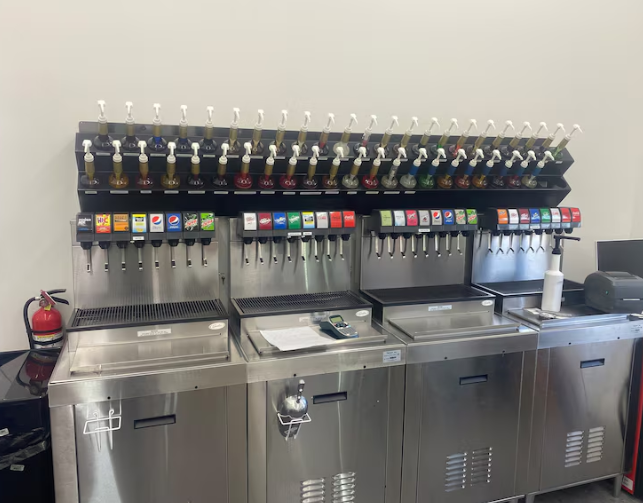
The soda fountain is the foundation of any dirty soda station. Every drink starts here, so speed, consistency, and variety are critical.
Most restaurants rely on:
- Coke fountain systems
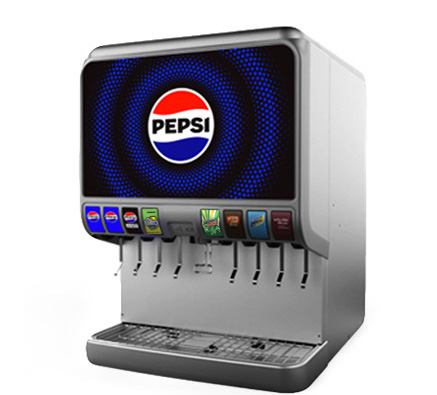
- Pepsi fountain systems
- traditional multi-head soda dispensers
Each system can work, but high-volume operators prioritize setups that allow quick flavor access, reliable carbonation, and easy cleaning.
Because dirty soda menus are highly customizable, the system needs to handle constant variation without slowing down service. A well-designed soda fountain setup keeps employees moving efficiently while maintaining consistent drink quality.


2. Ice Machines: The Most Important Piece of Dirty Soda Equipment
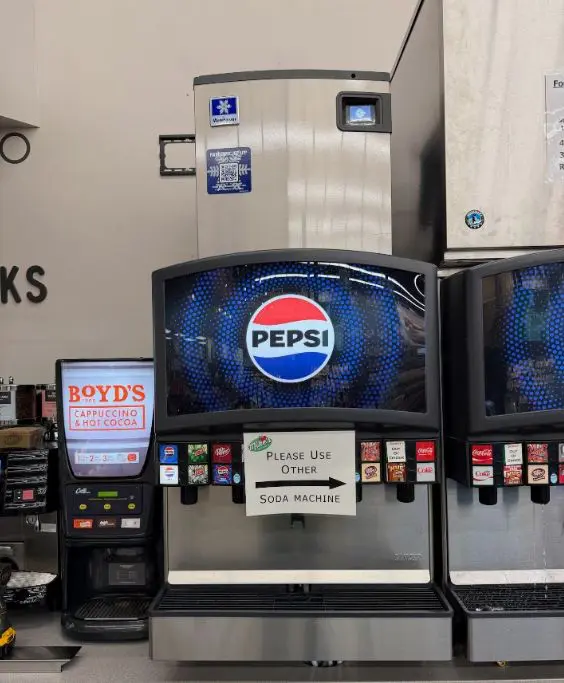
Most operators don’t realize how much ice dirty sodas actually consume until the station gets busy. Unlike traditional fountain drinks, dirty sodas use oversized cups and heavy ice builds, making ice a core part of both the drink and the experience. Nugget ice has become especially popular because customers associate it with a premium, specialty beverage feel.
Placement also matters, keeping the ice machine close to the soda fountain helps reduce movement and keeps service fast during peak rush periods.
3. Syrup Storage and Dispensing Systems
One of the biggest operational challenges in dirty soda stations is syrup organization.
Without a proper system, beverage counters quickly become cluttered, especially during busy service periods when drinks are heavily customized.
High-performing beverage stations often use:
- syrup pump systems
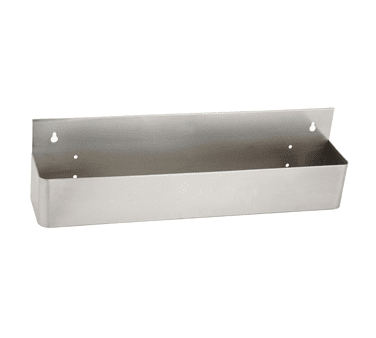
- labeled storage racks
- speed rails
- wall-mounted syrup holders
- refrigerated syrup storage when needed
The goal is simple: keep flavors easy to access, visually organized, and consistent in portioning.
A well-structured syrup system improves speed of service, reduces waste, and keeps the beverage station clean and professional-looking throughout the day.
4. Cup, Lid and Straw Organization
Speed in a dirty soda station often comes down to small details.
When employees waste time searching for cups, lids, straws, or toppings, the entire workflow slows down. That’s why efficient beverage station design focuses heavily on organization and accessibility.
Efficient dirty soda stations usually include:
- vertical cup dispensers
- organized lid storage
- straw dispensers
- topping bins
- mobile storage systems
These small layout improvements have a major impact during peak hours. In beverage-heavy concepts, organization is just as important as equipment.
5. Popular Dirty Soda Combinations
Dirty soda menus are built around customization, but a few flavor combinations consistently perform well in restaurants and soda shops.
Popular combinations include:
- Dr Pepper + coconut + vanilla cream
- Sprite + peach + strawberry puree
- Coke + cherry + lime
- Mountain Dew + raspberry + sweet cream
- Energy drink refreshers with fruit syrups
As menus expand into seasonal flavors, frozen variations, and energy-based drinks, the demand on the dirty soda equipment increases. More customization means more need for efficient syrup storage, refrigeration, and workflow design.
 ,
,

6. Why Workflow Matters More Than Operators Think
A successful dirty soda station isn’t just about having the right equipment; it’s about how everything works together during service. Small layout decisions directly impact ticket times, labor efficiency, customer experience, and drive-thru speed. When the station is designed properly, employees can build drinks faster, restock easily, and keep service moving during peak hours.
When equipment and workflow are aligned, beverage stations become high-margin revenue centers that improve speed, sales, and overall efficiency.
If you’re planning a dirty soda station or upgrading your beverage program, getting the equipment and layout right from the start makes a major difference in long-term performance and profitability.
0 Comments