
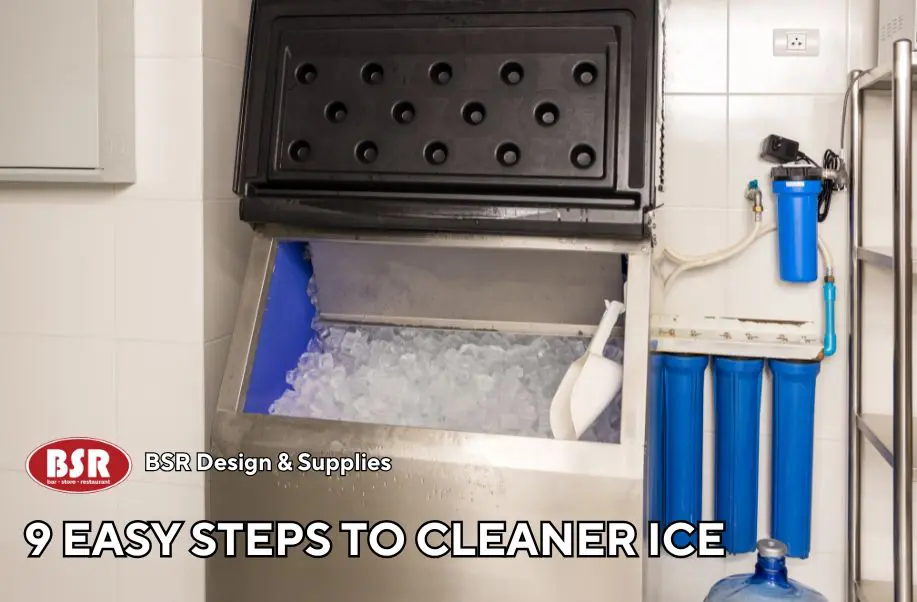
Regular cleaning with a commercial ice maker helps prevent scale buildup, mold, slime, off-tasting ice, and reduced production. Most manufacturers recommend cleaning and sanitizing every 3–6 months, though hard water or high-volume operations may require more frequent service.
What You’ll Need
- Ice machine cleaner (approved by the manufacturer)
- Food-safe sanitizer
- Soft cloths or sponges
- Soft brush or nylon brush
- Warm water
- Gloves
Avoid abrasive pads, steel wool, or harsh chemicals that can damage components.
Step 1: Turn Off the Ice Machine
- Turn off the ice-making cycle.
- Disconnect power if recommended by the manufacturer.
- Shut off the water supply if required.
Step 2: Remove All Ice
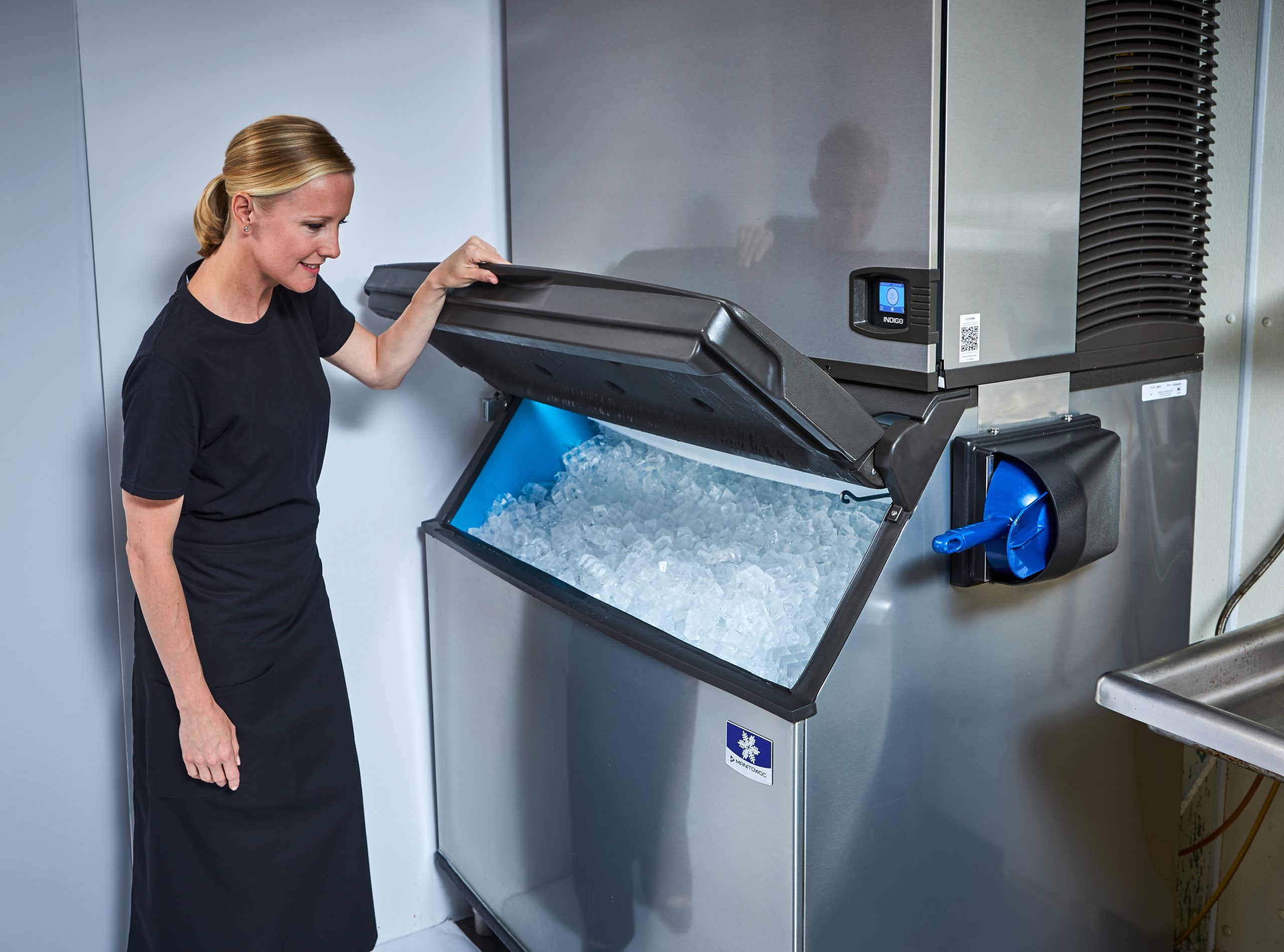
- Empty the ice bin completely.
- Discard any ice produced during the cleaning process.
Step 3: Remove Components
Depending on the model, remove:
- Water curtain
- Distribution tubes
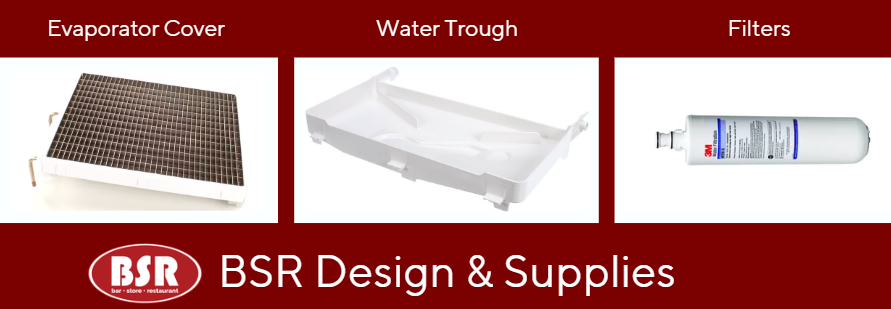
- Water trough
- Evaporator cover
- Filters
Check the equipment manual for parts that can be safely removed
Step 4: Clean Mineral Scale
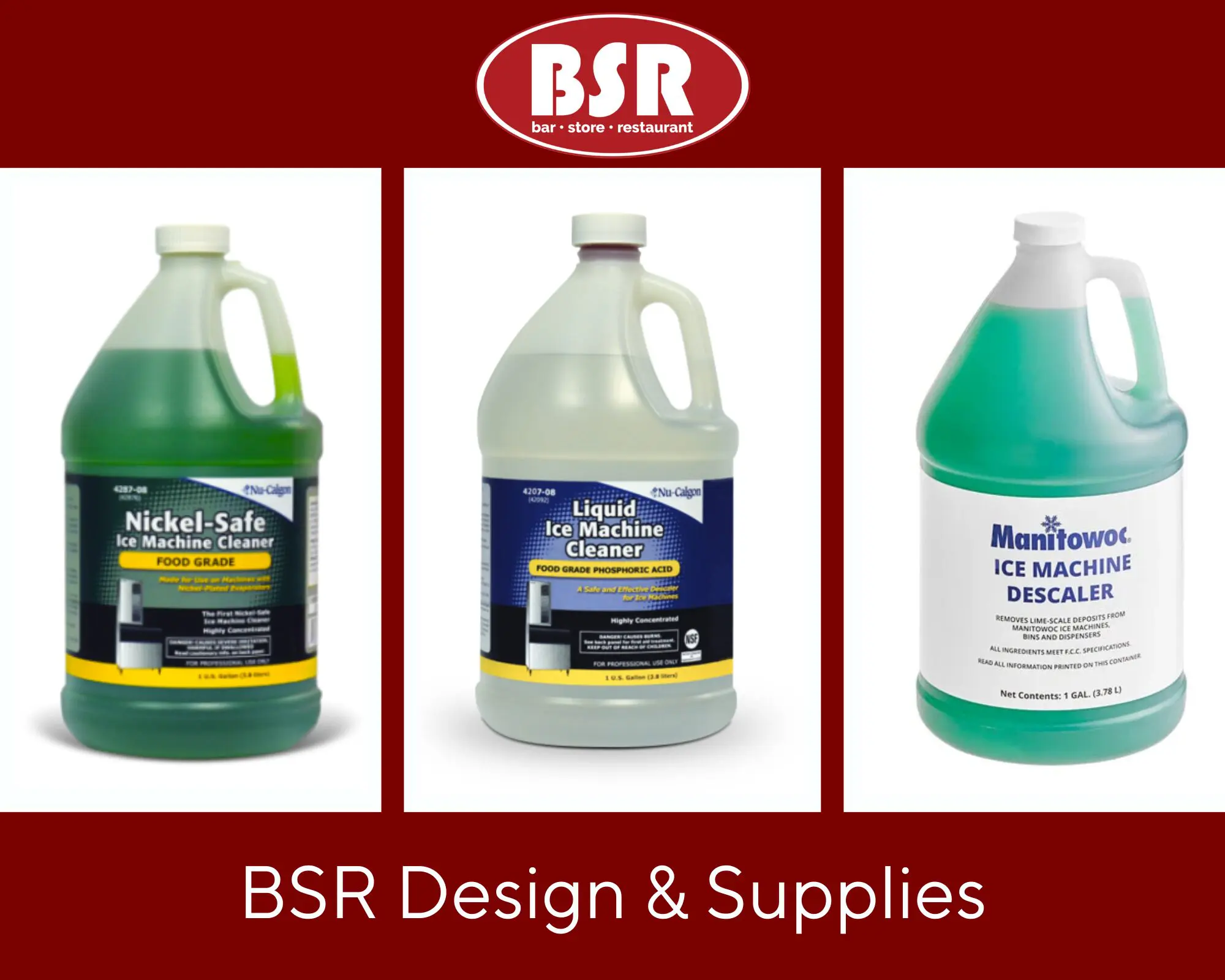
- Mix the manufacturer’s approved ice machine cleaner according to directions.
- Apply the solution to scaled surfaces.
- Soak removable parts if needed.
- Gently brush away mineral deposits.
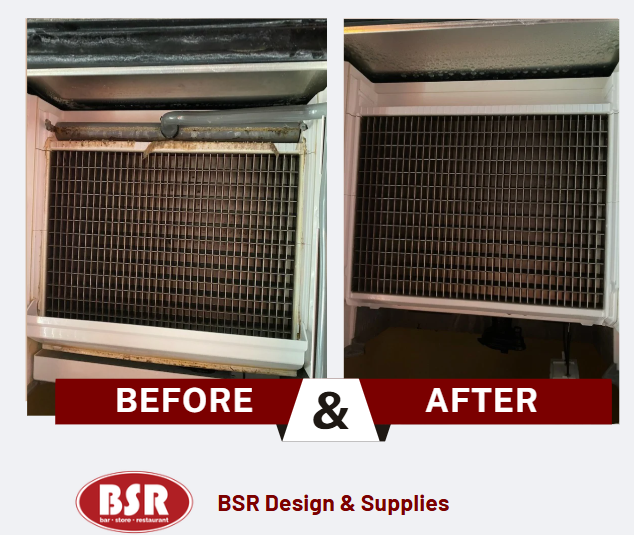
Hard water often causes white or chalky buildup on evaporators and water distribution components.
Step 5: Run the Cleaning Cycle
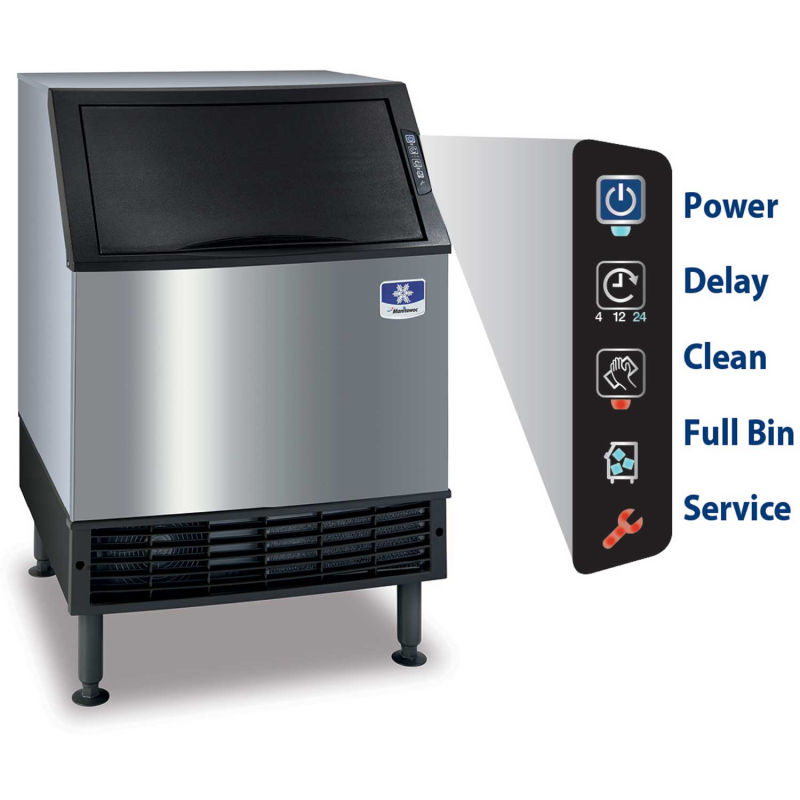
Many commercial ice machines have an automatic cleaning mode.
- Add the cleaning solution as directed.
- Start the cleaning cycle.
- Allow the ice machine to circulate the cleaner through the system.
Step 6: Rinse Thoroughly
- Drain the cleaning solution.
- Rinse removable parts with clean water.
- Run fresh water through the system to remove any cleaner residue.
Step 7: Sanitize the Machine
- Mix a food-safe sanitizer according to label instructions.
- Apply it to interior surfaces, the ice bin, and removable components.
- Run the sanitizing cycle if your machine includes one.
Sanitizing kills bacteria, mold, and yeast that cleaning alone may not remove.
Step 8: Reassemble and Restart
- Reinstall all components.
- Restore power and water.
- Restart the ice maker.
- Replace the old filter
Step 9: Discard the First Batch
The first batch of ice after cleaning should be discarded to ensure no cleaning or sanitizing residue remains.
Signs Your Ice Machine Needs Cleaning
- Reduced ice production
- Smaller ice cubes
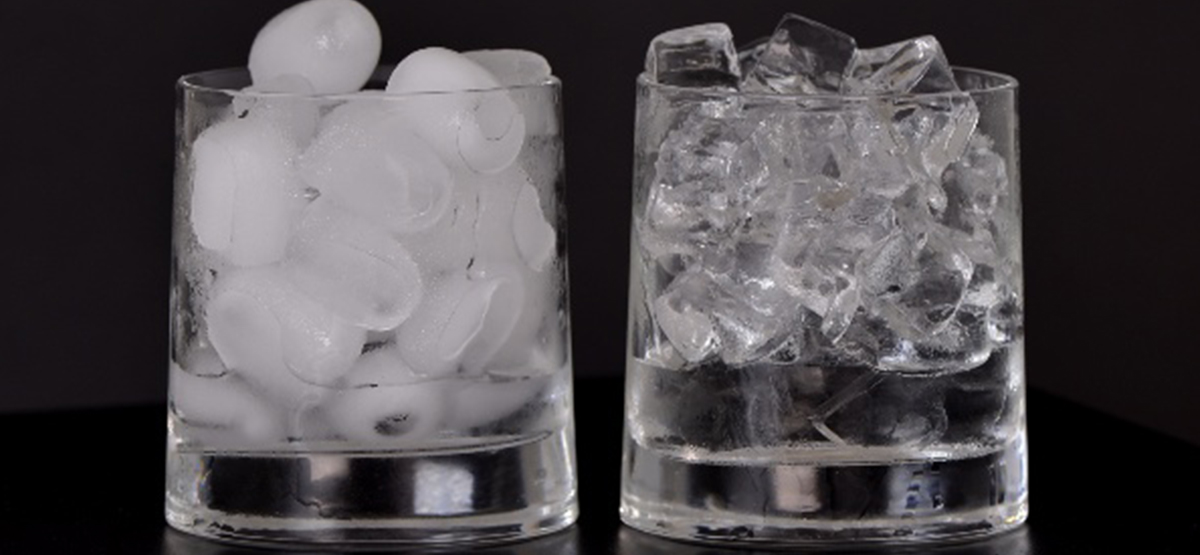
- Cloudy or foul-smelling ice
- Slime or mold in the bin
- Increased service calls
- Visible scale buildup
Best Practice for Restaurants
A good maintenance schedule is:
- Weekly: Wipe down exterior surfaces and inspect the ice bin.
- Monthly: Check filters and water quality.
- Every 3–6 months: Full cleaning and sanitizing.
- Annually: Professional preventive maintenance inspection.
Consistent cleaning extends equipment life, improves ice quality, and helps maintain food-safety compliance.
Not all ice machines are the same. If you have questions about cleaning or need new filters, give us a call. We can help identify the right filter and take a look at your machine to make sure it’s operating properly.

0 Comments