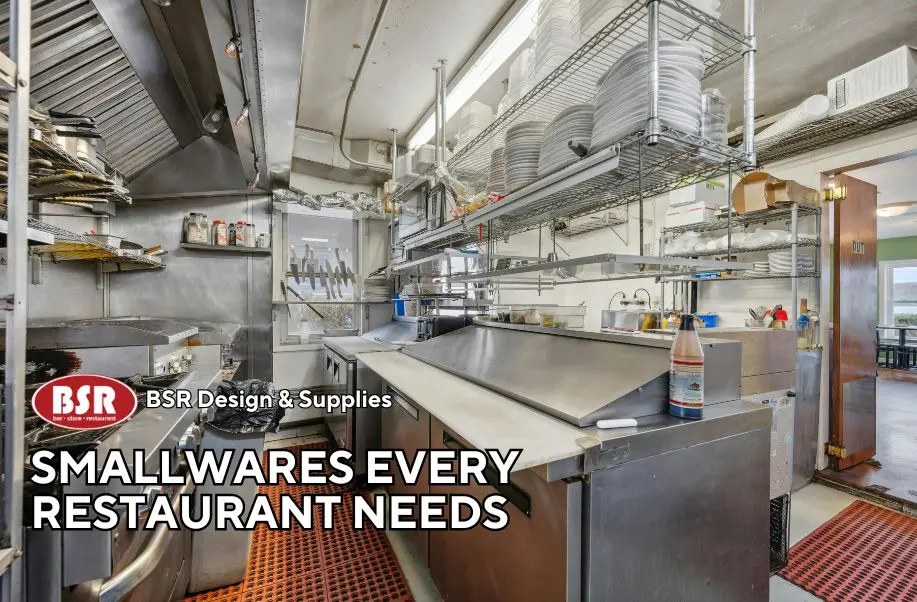
Smallwares are one of the most overlooked parts of restaurant planning. When opening or upgrading a restaurant, most attention goes to big equipment, ovens, refrigeration, and fryers. Those are important, but they’re only part of what makes a kitchen function.
The reality is, once the doors open, it’s not the equipment alone that drives service, it’s the small, everyday tools that keep everything moving. Pans, portioning tools, prep containers, utensils, storage systems, and service tools all become the difference between a kitchen that runs smoothly and one that constantly slows down under pressure.
When smallwares are planned correctly from the start, the entire operation runs smoother. From prep and storage to plating and service, every tool plays a role in keeping the kitchen moving efficiently. Before you start ordering, it’s important to understand exactly what your operation requires.
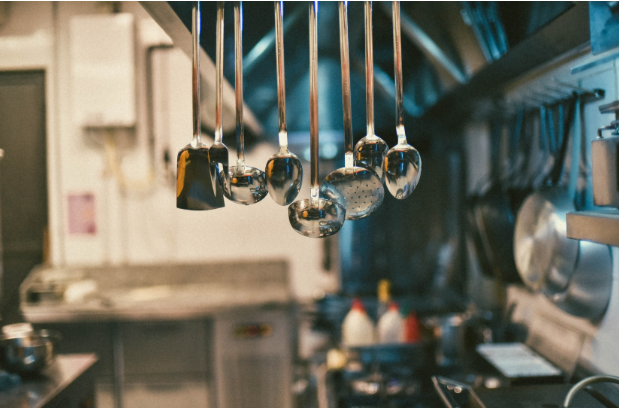
Start With Your Menu, not a Catalog
Smallwares are often selected without a clear understanding of how a kitchen will operate day to day. Instead of guessing or building a list from a catalog, it’s important to start with a clear look at your menu and service style.
Your menu determines everything:
- Prep tools
- Portioning tools
- Cookware sizes
- Storage containers
- Service tools
Every restaurant is different, and not all operations will require the same quantity of smallwares to function efficiently. Before purchasing, it’s important to determine your true supply and demand rather than ordering random quantities of items.
For example, one restaurant may only need a single case of plates to support its volume, while another may require three or more to keep up with turnover and peak service periods.
Ultimately, it all comes down to understanding your demand. Once you’ve identified what you’ll be serving and how much volume you’ll be handling, the next step is organizing your smallwares around how the kitchen actually functions.

Break Your Kitchen into Stations
The most effective approach is to build your smallwares package around workflow zones.
- Knives
- Mixing bowls
- Cutting boards
- Prep containers
- Pans
- Sheet trays
- Tongs
- Ladles
- Spatulas
- Turners
- Deli containers
- Portion cups
- Scoops
- Squeeze bottles
- Ingredient bins
- Bus tubs
- Racks
- Scraping tools
- Chemical-safe brushes
- Handling tools
- Plating tools
- Portion spoons
- Garnish tools
- Serving utensils
Organizing smallwares by station helps ensure staff have the tools they need where they need them. It also reduces unnecessary movement, prevents duplicate purchases, and creates a more efficient workflow throughout the kitchen.
Once you’ve identified what tools each station requires, the next step is choosing products that can withstand daily commercial use.
Prioritize Durability Over Price
When purchasing restaurant smallwares and commercial kitchen supplies it can be tempting to choose the lowest- priced option. Cheap smallwares almost always cost more in the long run.
In a busy commercial kitchen lower-quality products tend to:
- Wear out faster under commercial use
- Bend, break, or warp during service
- Create inconsistencies in portioning or prep
- Require frequent replacement, which adds up over time
Investing in commercial grade restaurant supplies helps improve longevity. When selecting commercial kitchen supplies look for:
- Heavy-duty stainless-steel construction
- NSF-rated certification for food safety compliance
- Heat-resistant materials that can handle constant line use
- Stackable, commercial-grade storage solutions that hold up under daily turnover
Choosing quality foodservice supplies from the start can help your operation run more smoothly.
Buy for Peak Service, Not Day One
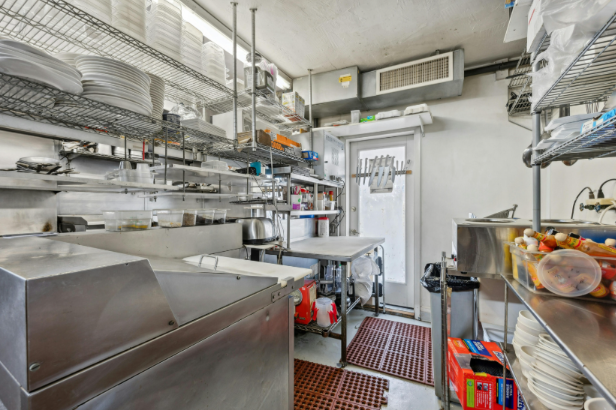
One of the most common mistakes when purchasing restaurant smallwares is ordering only enough supplies to get through opening day.
While it may be tempting to keep initial costs down, successful commercial kitchen operations require planning for your busiest days, not your easiest ones.
Restaurants face constant fluctuations in demand, including:
- Weekend rushes
- Full dining rooms
- Short-staffed shifts
- Catering orders and private events
- Seasonal increases in customer traffic
If your inventory of commercial kitchen supplies only covers minimum needs, you’ll quickly run into problems during peak service hours.
A well-planned restaurant smallwares package should support your operation during its busiest periods. By purchasing enough foodservice supplies to handle peak volume, you can maintain a smoother workflow, improve efficiency, and keep service consistent even when demand is at its highest.
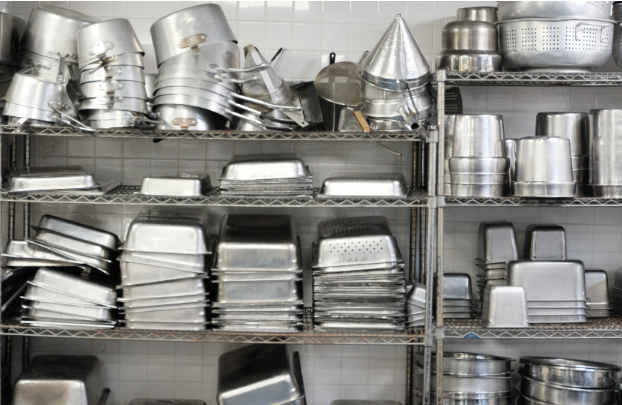
The Biggest Smallwares Mistakes
Most problems with restaurant smallwares don’t come from bad products, they come from poor planning.
Whether you’re opening a new restaurant or upgrading an existing operation, overlooking smallwares can create inefficiencies that impact daily service and overall commercial kitchen operations.
Some of the most common mistakes include:
-
Ordering restaurant supplies after equipment is already installed
-
Not matching tools directly to menu items or stations
-
Ignoring storage and organization until the end of the project
-
Failing to standardize tools across shifts and stations
Many of these issues don’t become obvious until the kitchen is operating at full capacity. Missing tools, inconsistent portioning, and disorganized storage can create delays that affect both staff productivity and the guest experience.
Taking the time to properly plan your smallwares package upfront can prevent these problems before they impact service.
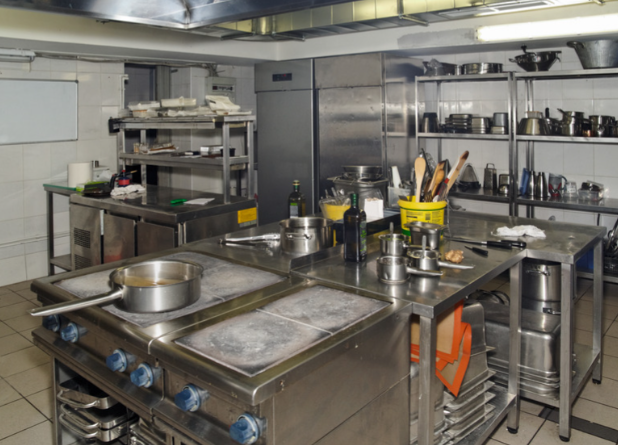
Ready to Build Your Smallwares Package?
Whether you’re opening a new restaurant or have been serving customers for years, having the right smallwares on hand is essential to efficient operations.
Our team can help you select the right supplies today and continue supporting your operation with replacement products, additional inventory, and equipment solutions as your needs change. Even after you’ve been open for months or years, we’re here to help keep your kitchen running smoothly.
Contact Chelsey Jones today to discuss your commercial restaurant supply needs and find the right solutions for your operation.

0 Comments