by BSR Marketing | Oct 2, 2025 | Uncategorized
Let’s Face it, nobody opens a restaurant because their life’s passion is scrubbing deep fryers. Deep cleaning is like the broccoli of the restaurant world; most people hate it, but every well-running restaurant needs it. You could skip it, but then you’re looking at funky smells, an energy bill that’s bound to explode, and potential side-eye from the health inspector when they see a griddle that looks like it survived the Jurassic period. (Not to mention, cooking food in old oil should be a criminal offense, yuck.)
The good news? Deep cleaning doesn’t have to eat up your entire day (or your staff’s patience). With a few hacks and the right schedule, your equipment can run efficiently… and you don’t have to lose an entire shift to do it.
Hack Your Cleaning Schedule
Stop treating spring-cleaning-level cleaning like it can only happen once a year. Break it down into a weekly schedule, something like this:
By rotating tasks, you avoid the torture that is an “all-day clean-a-thon.” Not only that, but your entire crew will know what to expect, strengthening communication and maybe even limiting the amount of grumbling that comes when it’s time to defrost and clean the freezer.
Use the Right Tools (and Save Your Elbows)
Scrubbing with the wrong cleaner is like a cardinal sin in the kitchen. Beyond the fact that a cheap spray bottle of soap won’t touch fryer grease and a paper towel won’t make stainless steel shine, using the wrong chemical or tools can do more harm to your restaurant than good. To avoid this, stock up on these things:
-
Commercial-grade degreasers (less effort, better results).
-
Non-abrasive pads and brushes (no scratches, no stress).
-
Fryer boil-out kits (fast and effective).
-
Coil brushes (because dirty fridge coils = high energy bills).
Having the right tools = faster work + a better clean.
Clean as You Go (Yes, We’re Serious)
It seems obvious, but this is a golden rule in a smooth-running kitchen: don’t let a mess win, ever. Train your team to do quick things like this every shift:
-
Wipe grease splatters immediately.
-
Sweep under and around all equipment (before they become a rodent buffet).
-
Scrub grill grates at close.
Five minutes now can save hours when it’s time for a deeper clean. Remind your staff that by doing this, future-them will say thank you.
Hit the Sneaky Spots
Every Kitchen has sneaky grime zones that are often forgotten. Forgotten until something breaks, that is. Here are some of the most common sneaky spots that shouldn’t be missed:
-
Refrigerator coils: Dirty coils = a fridge that works twice as hard.
-
Oven fans: Grease buildup tanks efficiency (and smells awful).
-
Fryer filters: Ignored filters mean higher oil costs.
-
Gaskets and seals: A favorite hangout for bacteria.
Catch and clean these spots before they catch up to you first and cause a bigger problem. It’ll help you avoid expensive repairs and downtime in the long run.
Conclusion

Contrary to popular belief, deep cleaning doesn’t need to hijack your team’s entire day. With a smart rotation, the right tools, and small daily habits, you’ll keep your kitchen running smoothly, your staff sane, and your guests happy.  👉 Ready for an upgrade? We’ll help you design, supply, and finance the kitchen you need!
(Services like equipment, barware, furniture, and more… all in one place!)
Let’s Get Started!

by BSR Marketing | Aug 13, 2025 | Uncategorized
Kitchen Chaos? It Might Not Be Your Team. It Might Be Your Layout.
Picture this. It’s Friday night. The dinner rush is in full swing. Orders are flying in, the kitchen is buzzing, and your team is giving it their all.
But then things start to unravel.
Sous chefs are shoulder-to-shoulder trying to chop vegetables. Servers are doing awkward side shuffles to squeeze between prep stations. Plates are getting bumped, delayed, or worse, dropped. And in the back, dishes are piling up faster than they can be cleaned because the flow from sink to storage just doesn’t work.
Here’s the real issue. The problem probably isn’t your staff. It’s the kitchen layout.
Even the best team can only move as fast as the space allows. When equipment is crammed into tight corners, tools are nowhere near the station that needs them, or there’s simply not enough room to prep, things get messy. Literally and figuratively.
The good news? These problems are completely avoidable with the right planning.
Meet Rouchelle
We sat down with Rouchelle, BSR’s resident hype woman, and a retired chef who has worked in all parts of the restaurant industry. She knows what makes a kitchen run smoothly because she’s lived it. Here’s her breakdown of the most common layout mistakes and how to fix them.
1. The Hand Sink is Too Far from the Cook Line

Tucking the hand sink into a back corner might seem like a space saver, but it can actually cause more harm than good. If it’s not convenient to access, it’s not going to be used as often as it should be. And that quickly turns into a health code problem.
What to do instead: Make handwashing a seamless part of the workflow. Place a sink near every major prep and cook area to encourage frequent use and minimize unnecessary movement.
2. Supplies and Ingredients Aren’t Where They’re Needed
It might look neat to store all your utensils in one place and all your food in another, but it’s not practical. If a line cook has to jog across the kitchen for a whisk or a scoop of flour, that’s time wasted and a workflow interrupted.
Rouchelle’s rule is simple. If something is used regularly at a station, it should be within three steps.
What to do instead: Set up each station like its own mini kitchen. Keep tools, ingredients, and cold storage close to where they’ll be used. It makes service smoother and keeps the team focused.
3. Not Enough Fridge or Freezer Space
This one is a repeat offender. Many kitchens plan for the current moment without thinking about future volume. Before long, the walk-in is stuffed, airflow is blocked, and food isn’t holding temperature. That leads to spoilage, safety issues, and stress.
What to do instead: Plan for more cold storage than you think you’ll need. You can always grow into the space. It’s also a good idea to have smaller refrigeration units near specific stations for quick access.
4. The Layout Doesn’t Match the Type of Kitchen
Every restaurant has its own rhythm. A fine dining kitchen doesn’t run like a burger joint, and that’s okay. But too often, layouts are recycled from one concept to another without taking into account the actual needs of the space.
What to do instead: Design your kitchen based on how you’ll use it. Consider your menu, the number of staff in the kitchen at once, and how fast dishes need to move. If you’re unsure where to start, consulting someone with kitchen design experience (like BSR) can help avoid long-term issues.
5. Surfaces Aren’t Cleanable (Especially the Floors)
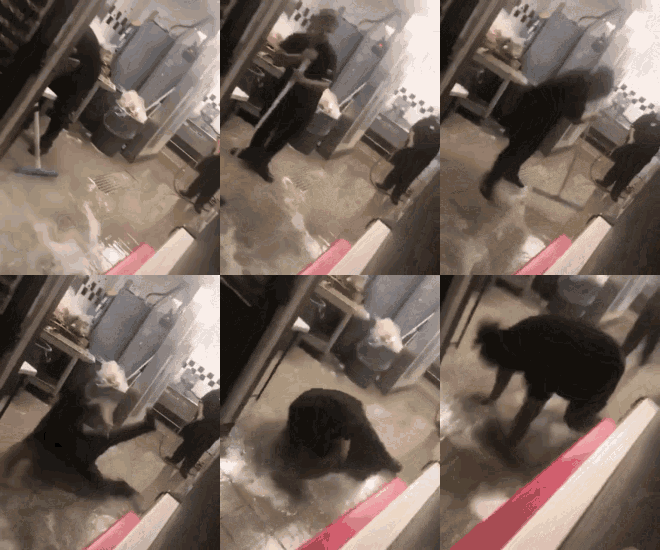
Trendy tile and fancy finishes might look great on opening day, but if you can’t clean them easily, they’re going to be a problem. In commercial kitchens, every surface needs to be durable, safe, and easy to sanitize.
What to do instead: Choose materials that are built for the job. Prioritize non-slip flooring, seamless surfaces, and finishes that can handle heat, spills, and regular cleaning without breaking down. It may not be flashy, but it will save you a ton of maintenance headaches later.
Bonus Tip: The Dish Area is Too Small
Nobody gets excited about dish layout, but it’s one of the most important parts of the kitchen. If there’s not enough space to separate dirty dishes from clean ones or to air-dry plates properly, you’ll end up in violation of food safety rules before you know it.
What to do instead: Create a dish area with a clear path from dirty to clean. Make sure there’s space to stack, wash, rinse, dry, and store dishes without overlap. It’s not glamorous, but it’s essential.
Final Thoughts
A well-designed kitchen doesn’t just look good. It works. It supports your team, helps you stay compliant, and keeps service running smoothly when things get hectic.
If you’re building a new space or reworking your existing one, it’s worth taking the time to get the layout right. Rouchelle and the team at BSR are here to help you think it through and design a kitchen that fits your needs, your concept, and your workflow.
Let’s create a space that works just as hard as your staff does.
Services
by BSR Marketing | May 29, 2025 | Uncategorized
…And How to Pass with Flying Colors!
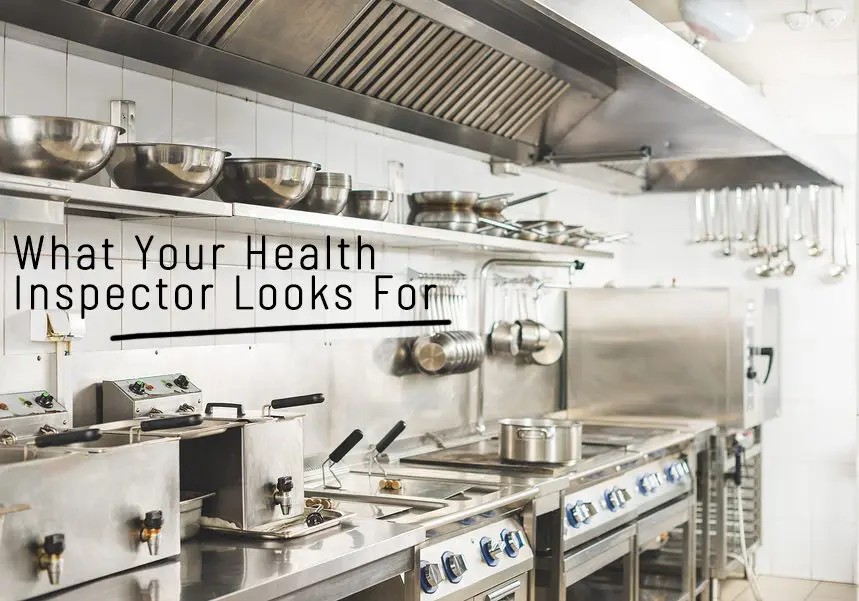
Want to pass your next health inspection with total confidence? Here’s what your health inspector is really looking for—and how to stay ahead of the game. Keeping your commercial kitchen clean, safe, and compliant not only protects your customers but also keeps your operation running smoothly.
1. Food Safety Procedures
Certified Food Safety Manager: Many health departments require at least one certified food safety manager on site. Having one shows you take food safety seriously.
Proper Handwashing & Illness Reporting: Employees should wash their hands frequently and correctly. Anyone feeling sick should stay home or report symptoms immediately to avoid cross-contamination.
2. Safe Food Handling
Temperature Control: Keep cold foods cold and hot foods hot. Food should never linger in the “danger zone” (40°F–140°F), where bacteria multiply quickly.
Clean & Sanitized Surfaces: Cutting boards, prep tables, and utensils must be cleaned and sanitized after each use. Inspectors will check that proper cleaning procedures are in place.
3. Cleanliness & Sanitation
Fully Stocked Handwashing Stations: Ensure all handwashing sinks are equipped with soap, hot water, and paper towels—and are being used regularly.
Pest Control: Your kitchen should be free from pests. That means no signs of rodents, insects, or other unwanted guests.
Trash Management: Garbage should be removed regularly and stored in clean, closed containers to prevent odors and infestations.
4. Equipment & Facility Standards
Working Equipment: All kitchen equipment—from ovens to fridges—must be in good working order and compliant with local codes.
Plumbing & Ventilation: Health inspectors often check sinks, floor drains, grease traps, and ventilation systems. Everything should be functioning properly to avoid hazards.
5. Paperwork & Permits
Licenses on Display: Your business license, food service permit, and health inspection reports should be clearly posted and current.
Employee Records: Training and health records must be updated and readily available for inspection. Staying organized shows your commitment to safety.
6. Proactive Maintenance
Fix Issues Quickly: If something’s broken or out of compliance, address it right away. Inspectors appreciate fast action and a problem-solving mindset.
Daily Checklists: Use a kitchen inspection checklist daily to catch small issues before they become violations. It’s a simple step that makes a big difference.
________________________________________
Final Tip: Stay informed! Every local health department has its own specific requirements. Be sure to refer to your area’s official guidelines or inspection checklist to stay compliant.
________________________________________
Want to make sure YOUR kitchen is health-inspection ready? Here at BSR, we design and supply commercial kitchens with safety, efficiency, and compliance in mind. Contact us today to learn more!
— Your Friendly Idaho-Based BSR Team
by BSR Marketing | Apr 29, 2025 | Uncategorized
Introduction: Chill and Sell
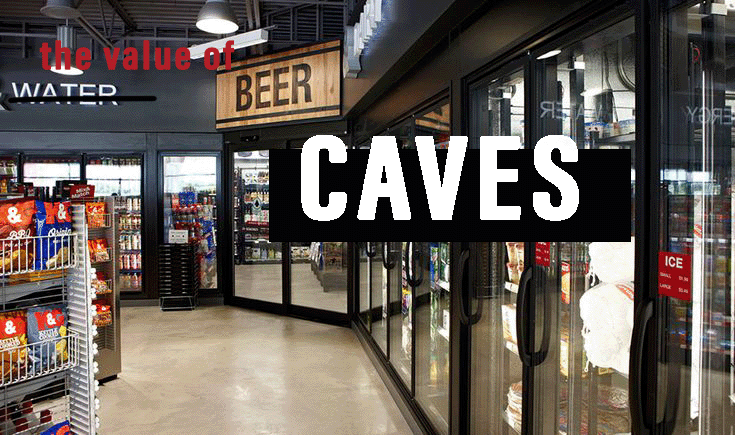
Let’s talk beer caves. These walk-in, glass-front coolers are showing up everywhere, from convenience stores and restaurants to taprooms and bars—and for good reason. As the weather warms up, so does the demand for cold drinks. And nothing says “chilled and ready” quite like a well-stocked beer cave.
So, What Is a Beer Cave?
Picture a walk-in cooler with clear glass doors, packed with every kind of beer you can imagine—ice cold and ready to grab. Customers can step inside, browse around, and find their favorites (or discover something new). It’s basically a mini beer oasis.
Why Add a Beer Cave? We’re Glad You Asked:
- They Sell Themselves
Cold beer practically flies off the shelves—especially when it’s easy to see and grab. A beer cave catches the eye and encourages impulse buys, especially during summer or game days, with its bright inviting space customers are drawn to.
- You Can Stock More Stuff
Craft, domestic, imports—you name it. With the extra space, you can show off a larger variety, which keeps regulars coming back to see what’s new. With more merchandise readily available at all times comes increased sales.
- They’re Built to Be Efficient
Today’s beer caves are designed with energy-saving features like LED lighting and top-notch insulation. That means your beer stays cold without racking up your energy bill.
- Easier Restocking, Less Fuss
More space means less time spent restocking shelves or rotating inventory. Your team stays efficient, and your beer stays fresh. This also allows for less staffing needs and lower labor expenses,
- They Just Look Awesome
Beer caves create a premium vibe. The cool lighting, glass doors, and easy access all add up to a better shopping (and later, sipping) experience. It’s a small upgrade that makes a big impression.
Thinking About Adding One?
Here at BSR, we design and supply custom beer caves that fit your space, your brand, and your goals. Whether you’re prepping for summer or planning a long-term upgrade to your operations, we want to help you from start to finish. Let’s chat about how the right beer cave can boost your business (and your bottom line). Get ahead of the summer rush and contact us today!
— Your Friendly Idaho-Based BSR Team
by BSR Marketing | Mar 18, 2025 | Uncategorized
Revolutionizing Restaurant Operations and Beyond
Introduction
Artificial Intelligence (AI) is everywhere these days, including the world of commercial kitchens. Whether it’s helping restaurants boost efficiency, cut costs, or improve food safety, AI-driven technologies are changing how kitchens are designed, managed, and run. From small restaurants to large foodservice operations, AI is helping professionals work smarter and faster. One way to stay competitive and keep up with the latest trends in the foodservice industry, is to understand how AI is reshaping kitchens. Here are a few of the ways:
- Smart Kitchen Automation
AI-powered kitchen gadgets, like combi ovens with built-in cooking programs and real-time monitoring, are helping chefs optimize their cooking. These smart devices can adjust temperature, humidity, and cooking time automatically, cutting down on mistakes and food waste. So, whether you’re cooking for a few or hundreds, AI makes sure things run smoothly.
- Predictive Maintenance
AI sensors and IoT-equipped (Internet of Things) appliances are great for predicting maintenance needs before something breaks down. This helps avoid expensive repairs and keeps things running smoothly. Plus, AI can help reduce energy consumption, leading to lower costs. In a commercial kitchen, an IoT-equipped appliance might be a smart oven or refrigerator that can track temperature, send alerts when it needs maintenance. These devices are connected to the internet and help improve efficiency, monitoring, and management.
- Inventory Management & Waste Reduction
AI is also a game-changer when it comes to tracking ingredients and managing inventory. By analyzing past data, AI helps restaurants predict demand, automate ordering, and reduce food waste. This means kitchens always have fresh ingredients on hand, ultimately cutting costs and improving profit margins.
- Enhanced Food Safety & Quality Control
AI-powered monitoring systems can keep track of food temperatures, storage conditions, and hygiene standards, lowering the risk of foodborne illness and ensuring compliance with health regulations. AI is also playing a big role in quality control by scanning food for imperfections. From keeping food safe to making sure dishes are consistently plated and portioned just right, AI is a real game-changer for commercial kitchens.
- Personalized Customer Experiences
AI is helping restaurants offer more personalized experiences by making menu recommendations based on customer preferences and dietary needs. AI chatbots and self-order kiosks make the ordering process quicker and smoother, and can even predict what a customer might order based on their history—speeding up service.
- Labor Optimization
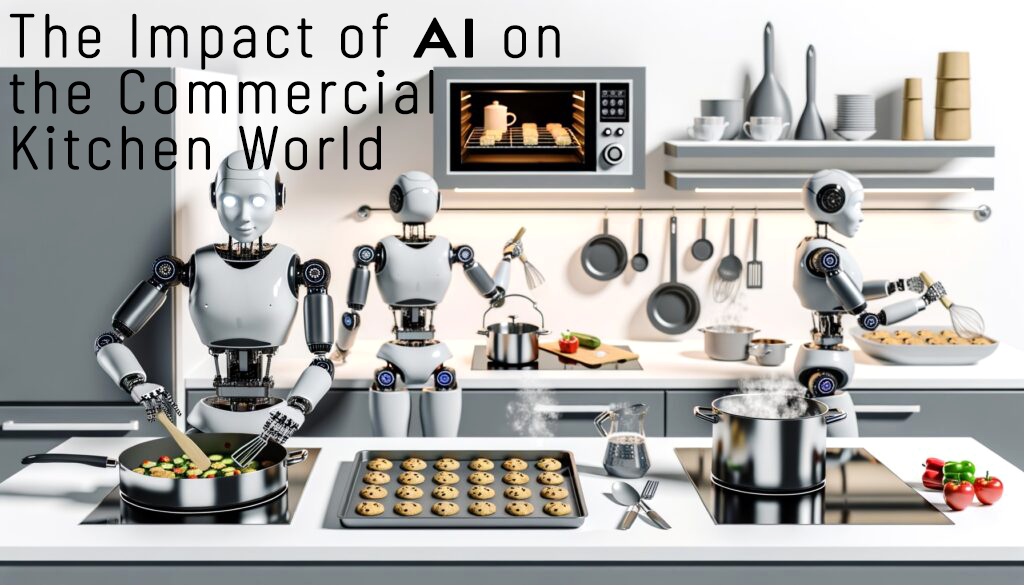
AI can help streamline scheduling by predicting busy times and optimizing staff shifts. AI-powered robotic assistants, additionally, can handle repetitive tasks like chopping, mixing, and plating, allowing human staff to focus on creativity and customer service.
The Future of AI in Commercial Kitchens
Conclusion
AI is just getting started, and it’s set to bring even more innovations in automation, energy efficiency, and kitchen design. From helping automate cooking and improving food safety to cutting down on waste and offering a personalized customer experience, AI is creating a more efficient, cost-effective, and customer-friendly kitchen.
Is your kitchen ready for the AI revolution? Reach out to our BSR Design & Supplies team today—right here!—to start the conversation and discover how we can help you explore the latest AI-driven kitchen solutions. We’re ready whenever you are.
And don’t forget to follow us on social media to keep up with the latest trends in kitchen tech and restaurant design! Links to all our social pages below.

by BSR Marketing | Feb 19, 2025 | Uncategorized
Introduction: Ditch the Ductwork
Okay, let’s be real. Kitchens can be a challenge, especially when you’re dealing with all the regulations, space constraints, and let’s not forget that large bill for ductwork. So what if we told you there’s a way to ditch a lot of that hassle? Enter ventless cooking equipment!
Seriously, What’s the Big Deal?
Ventless cooking is exactly what it sounds like: cooking without needing ventilation hoods. It’s a total game-changer for anyone in a commercial foodservice operation.
Cook Anywhere—And We Mean Anywhere!
Ever dreamed of making gourmet burgers or hot paninis, but there just isn’t a hood in the space you’re moving into? We have a solution for that: because with ventless cooking equipment, you can.
Saving Money
Ventless cooking equipment can help you significantly cut down on your expenses by:
- No Ductwork: No need to spend the money on installing and maintaining a ventilation system.
- Energy Sippers: These machines are generally way more energy-efficient than traditional setups, meaning lower utility bills.
- Less Maintenance: Fewer parts, less hassle. You’ll spend less time and money on repairs and upkeep.
Why It Matters
Ventless cooking is becoming more relevant than ever, and here’s why:
- Staying Legal: Regulations are always changing, and ventless makes it easier to stay compliant with building codes, no matter where you are.
- Clean Air: Modern ventless systems are great at capturing grease and odors, making for a much nicer work environment.
- Easy: Many ventless machines have simple controls and do a lot of the work for you, freeing up your staff to focus on the important stuff – like cooking awesome food.
The Bottom Line: No hood? No problem!
Sure, ventless equipment might cost a little more upfront, and yet the long-term savings and flexibility that comes with is well worth that initial investment. If you’re looking to upgrade your kitchen, expand your business, or just make your life a whole lot easier, ventless cooking is definitely worth checking out.
The concept of cooking without any hoods in your kitchen isn’t just a fleeting trend that’s here today and will be gone tomorrow. It’s the way of the future, for good reason – and for a long list of them!