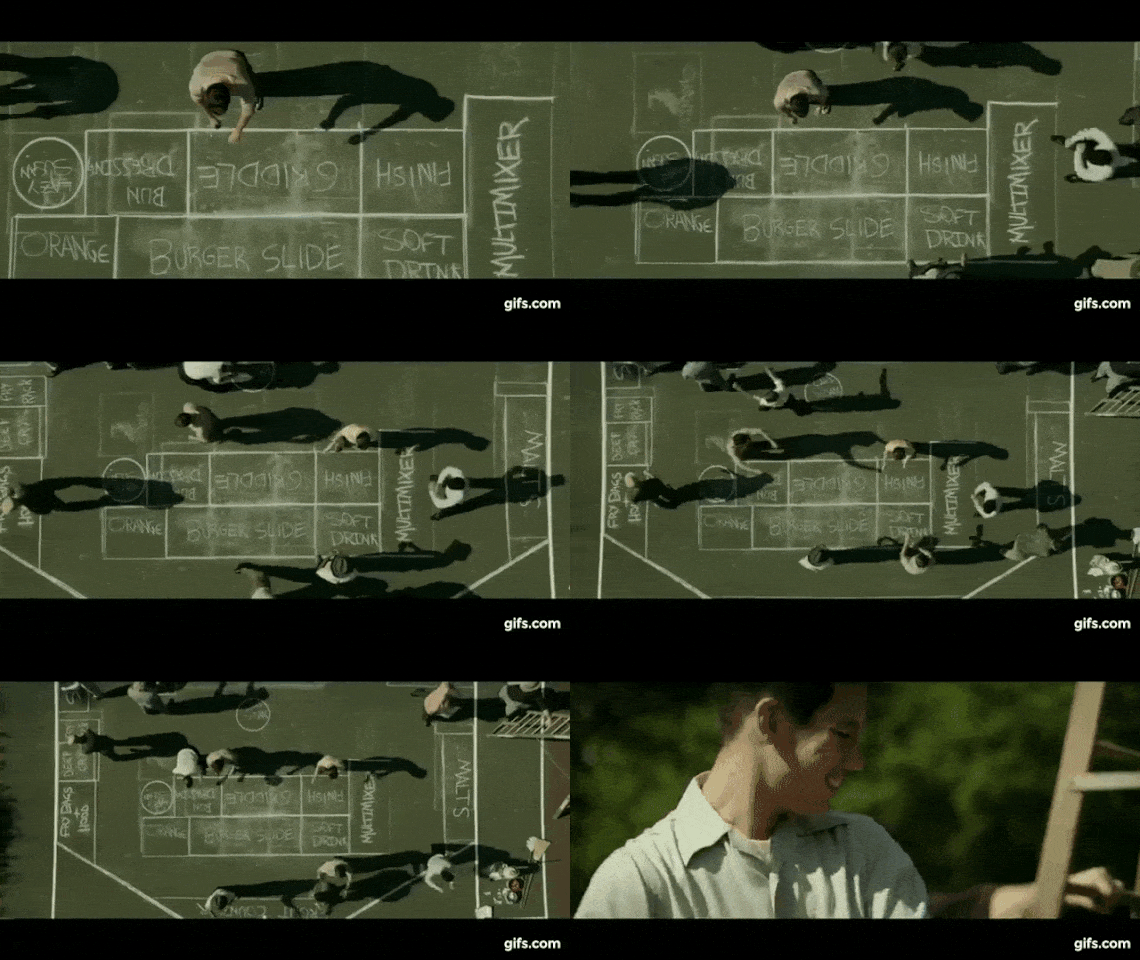
Kitchen Chaos? It Might Not Be Your Team. It Might Be Your Layout.
Picture this. It’s Friday night. The dinner rush is in full swing. Orders are flying in, the kitchen is buzzing, and your team is giving it their all.
But then things start to unravel.
Sous chefs are shoulder-to-shoulder trying to chop vegetables. Servers are doing awkward side shuffles to squeeze between prep stations. Plates are getting bumped, delayed, or worse, dropped. And in the back, dishes are piling up faster than they can be cleaned because the flow from sink to storage just doesn’t work.
Here’s the real issue. The problem probably isn’t your staff. It’s the kitchen layout.
Even the best team can only move as fast as the space allows. When equipment is crammed into tight corners, tools are nowhere near the station that needs them, or there’s simply not enough room to prep, things get messy. Literally and figuratively.
The good news? These problems are completely avoidable with the right planning.
Meet Rouchelle
We sat down with Rouchelle, BSR’s resident hype woman, and a retired chef who has worked in all parts of the restaurant industry. She knows what makes a kitchen run smoothly because she’s lived it. Here’s her breakdown of the most common layout mistakes and how to fix them.
1. The Hand Sink is Too Far from the Cook Line

Tucking the hand sink into a back corner might seem like a space saver, but it can actually cause more harm than good. If it’s not convenient to access, it’s not going to be used as often as it should be. And that quickly turns into a health code problem.
What to do instead: Make handwashing a seamless part of the workflow. Place a sink near every major prep and cook area to encourage frequent use and minimize unnecessary movement.
2. Supplies and Ingredients Aren’t Where They’re Needed
It might look neat to store all your utensils in one place and all your food in another, but it’s not practical. If a line cook has to jog across the kitchen for a whisk or a scoop of flour, that’s time wasted and a workflow interrupted.
Rouchelle’s rule is simple. If something is used regularly at a station, it should be within three steps.
What to do instead: Set up each station like its own mini kitchen. Keep tools, ingredients, and cold storage close to where they’ll be used. It makes service smoother and keeps the team focused.
3. Not Enough Fridge or Freezer Space
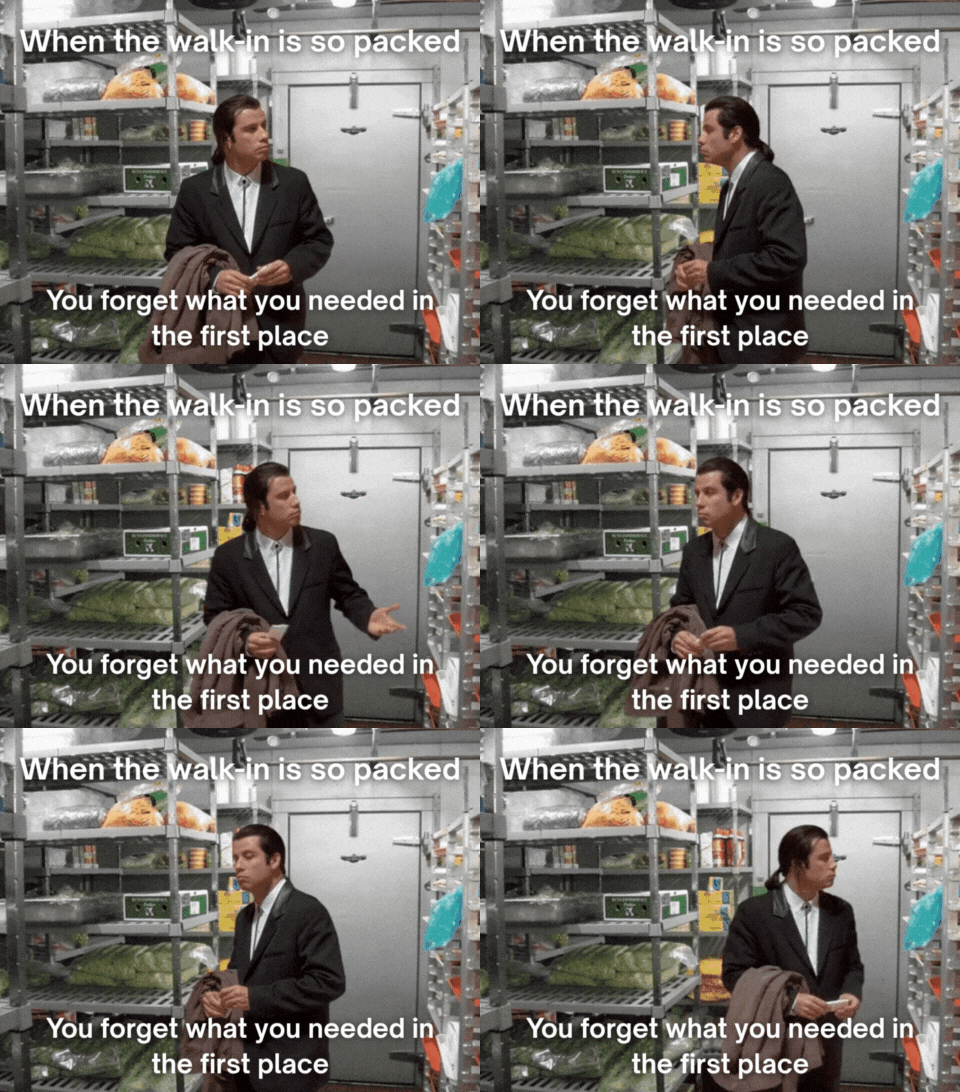
This one is a repeat offender. Many kitchens plan for the current moment without thinking about future volume. Before long, the walk-in is stuffed, airflow is blocked, and food isn’t holding temperature. That leads to spoilage, safety issues, and stress.
What to do instead: Plan for more cold storage than you think you’ll need. You can always grow into the space. It’s also a good idea to have smaller refrigeration units near specific stations for quick access.
4. The Layout Doesn’t Match the Type of Kitchen
Every restaurant has its own rhythm. A fine dining kitchen doesn’t run like a burger joint, and that’s okay. But too often, layouts are recycled from one concept to another without taking into account the actual needs of the space.
What to do instead: Design your kitchen based on how you’ll use it. Consider your menu, the number of staff in the kitchen at once, and how fast dishes need to move. If you’re unsure where to start, consulting someone with kitchen design experience (like BSR) can help avoid long-term issues.
5. Surfaces Aren’t Cleanable (Especially the Floors)
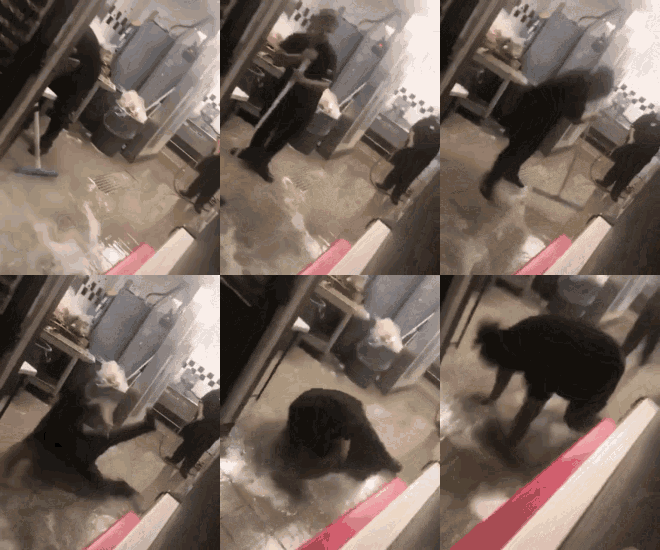
Trendy tile and fancy finishes might look great on opening day, but if you can’t clean them easily, they’re going to be a problem. In commercial kitchens, every surface needs to be durable, safe, and easy to sanitize.
What to do instead: Choose materials that are built for the job. Prioritize non-slip flooring, seamless surfaces, and finishes that can handle heat, spills, and regular cleaning without breaking down. It may not be flashy, but it will save you a ton of maintenance headaches later.
Bonus Tip: The Dish Area is Too Small
Nobody gets excited about dish layout, but it’s one of the most important parts of the kitchen. If there’s not enough space to separate dirty dishes from clean ones or to air-dry plates properly, you’ll end up in violation of food safety rules before you know it.
What to do instead: Create a dish area with a clear path from dirty to clean. Make sure there’s space to stack, wash, rinse, dry, and store dishes without overlap. It’s not glamorous, but it’s essential.
Final Thoughts
A well-designed kitchen doesn’t just look good. It works. It supports your team, helps you stay compliant, and keeps service running smoothly when things get hectic.
If you’re building a new space or reworking your existing one, it’s worth taking the time to get the layout right. Rouchelle and the team at BSR are here to help you think it through and design a kitchen that fits your needs, your concept, and your workflow.
Let’s create a space that works just as hard as your staff does.

0 Comments