Opening a Restaurant? 6 Mistakes That Can Make or Break You
Opening a restaurant is exciting, but for many first-time restaurant owners, things don’t fail because of bad ideas; things struggle because of overlooked fundamentals. This restaurant startup guide focuses on the details that matter most. From commercial kitchen design to budgeting, the small decisions you make early on often become the biggest obstacles later.
Here are six of the most common restaurant startup mistakes and how to avoid them.
1. Your Kitchen Layout Sets the Tone
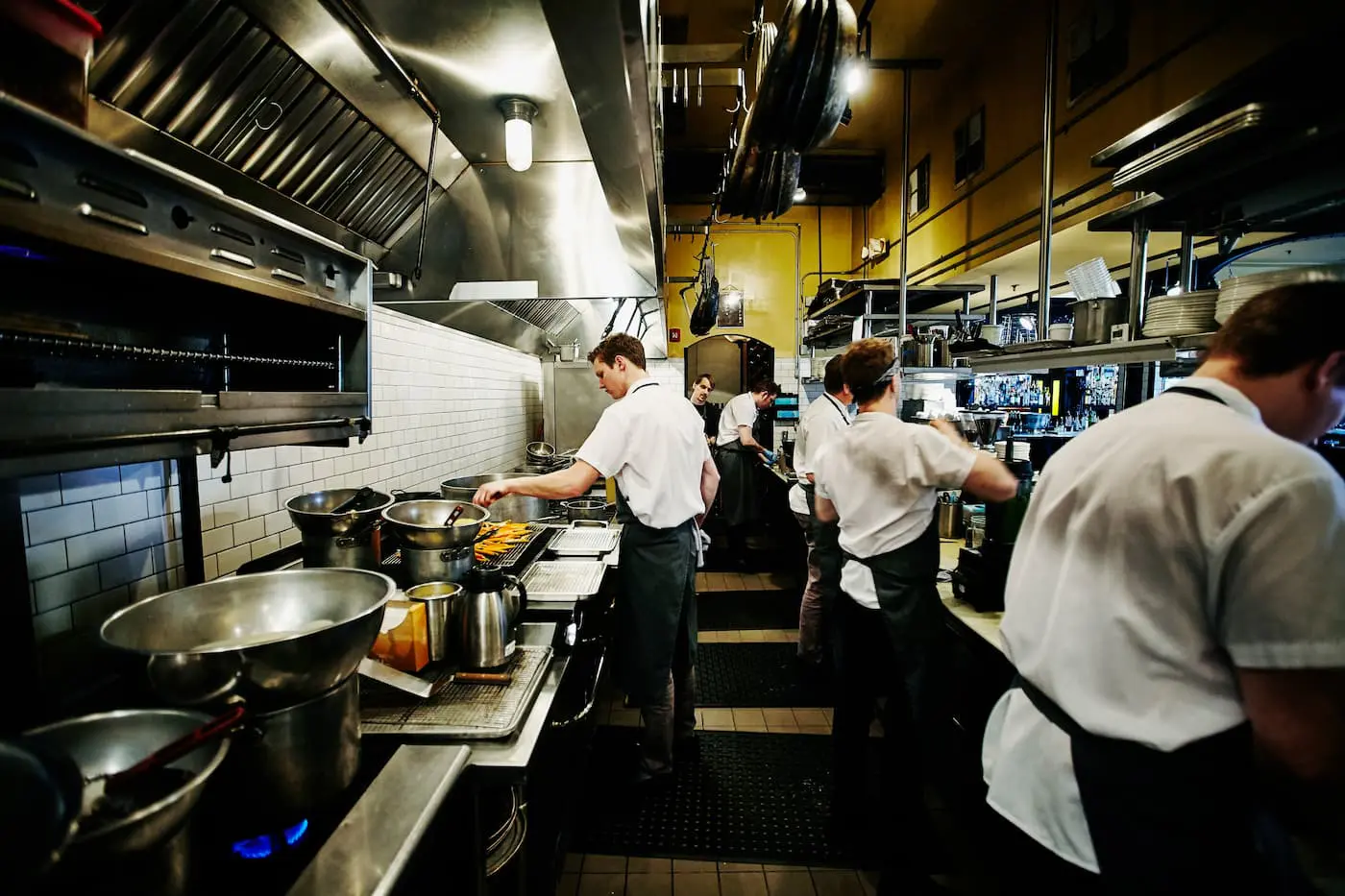
The goal of a kitchen is simple: everything moves smoothly in a logical direction, but in most cases, people don’t know how to get the most out of the space in a timely manner. From food prepping to cooking, plating, and service, your teams are crossing paths, and the simple tasks start to become timely ones.
What Works:
Planning your layout around how your team actually moves through the kitchen is one of the most overlooked steps. Walking through real scenarios and testing your setup helps you make better use of your time and space. With the 3D kitchen layouts, we design at BSR Design & Supply, you can see and walk through your space ahead of time so you can make adjustments early and support your team.
2. Choosing the Right Restaurant Equipment Matters
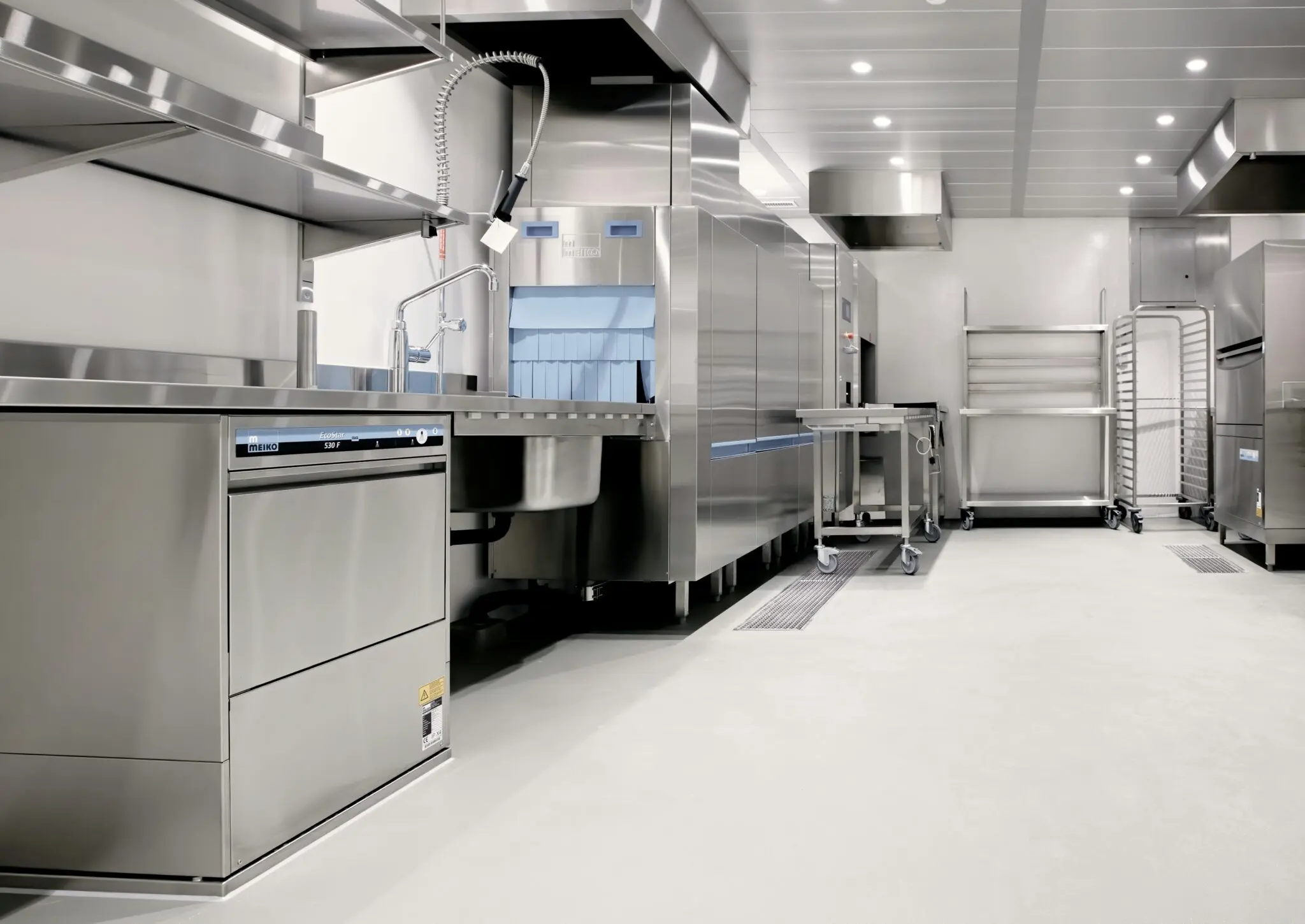
Your busiest day doesn’t care about your budget; it cares about the right equipment. Making sure that you have the equipment that can last over time from day one is going to set you up to achieve your restaurant goals. Cutting the costs of the materials and buying equipment that struggles to keep up with demands is going to cost you more in the long run.
What Works:
Choosing equipment shouldn’t feel like guesswork. Here at BSR Design & Supplies our team works with you to understand how your kitchen will actually operate from your menu, volume, and your long-term plans. Our project Manager helps identify equipment that fits your needs, not just what’s available. As a trusted restaurant equipment supplier in Idaho, we focus on durability and fit for your operation
3. Code Compliance Starts Early
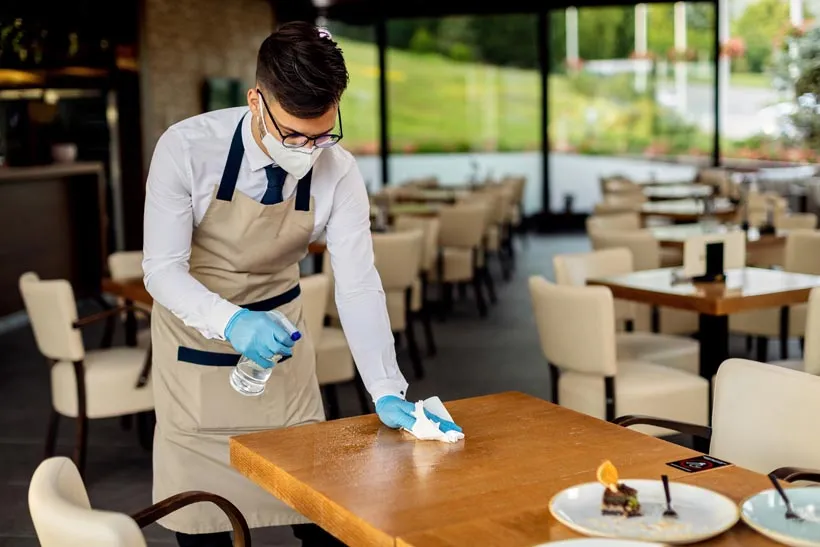
Code requirements aren’t something to figure out at the end; they shape how your space needs to be built from the start. In Idaho, that means working within a mix of state and local regulations that can vary by city and county to cover everything from health and safety to building design. Where projects run into trouble is when these aren’t accounted for early. Missing something like proper ventilation or spacing can lead to redesigns, added costs, and delays.
At minimum, restaurants need to meet these codes:
- Idaho Food Code
- Local health department requirements
- Building and fire codes
- ADA
- Plumbing and grease interceptor requirements.
What Works:
Our staff helps bridge that gap by coordinating layout, equipment, and code requirements together. From design through installation, we make sure everything fits, functions, and meets compliance.
4. Build a Budget That Works in Real Life
Many restaurants underestimate how long it takes to become profitable. A strong start financially gives you room to adjust and improve. One of the most common restaurant startup mistakes new restaurant owners make is not fully accounting for all their costs. Things like operating expenses, staffing, and the investment needed to properly support the kitchen, and day-to-day operations are often where problems show up first.
What Works:
We help you plan those investments in a way that fits your timeline and budget. Our in-house team offers straightforward financing options, so you can move forward with what you need. This is a key part of any solid opening a restaurant checklist.

5. Start Simple, Then Grow
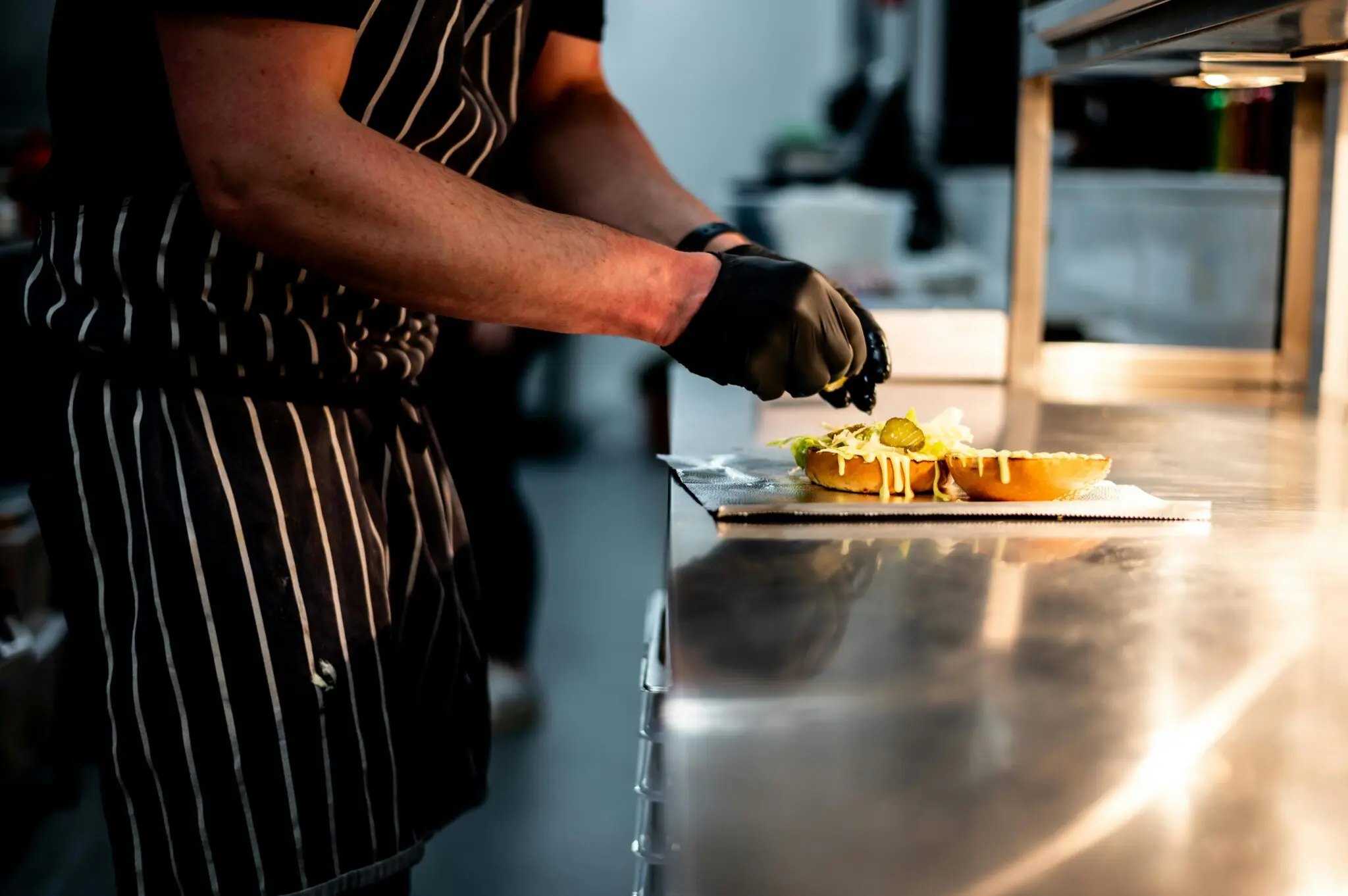
Creating a large menu to begin with can cause more problems than owners realize. More items mean more ingredients to manage, more prep time, and often more equipment, which can cause more inconsistency, especially during a rush. It also makes training harder. The more your team has to learn and execute, the longer it takes to get everyone up to speed and the harder it is to maintain consistency across every dish.
What Works:
Build a menu your team can execute consistently, even under pressure. You can always expand later but it’s much harder to fix an overcomplicated system later down the road.
6. Build for Reality, Not Just the Idea
The biggest mistake new restaurant owners make is planning for the idea of a restaurant rather than the reality of running one. A successful restaurant isn’t just about great food or a beautiful space, it’s a system where layout, equipment, compliance, budgeting, and people all work together under pressure.
What Works:
Plan for busy shifts, staffing challenges, and real-world demands.

Start Your Restaurant the Right Way with BSR Design and Supplies
Get Started Today
0 Comments