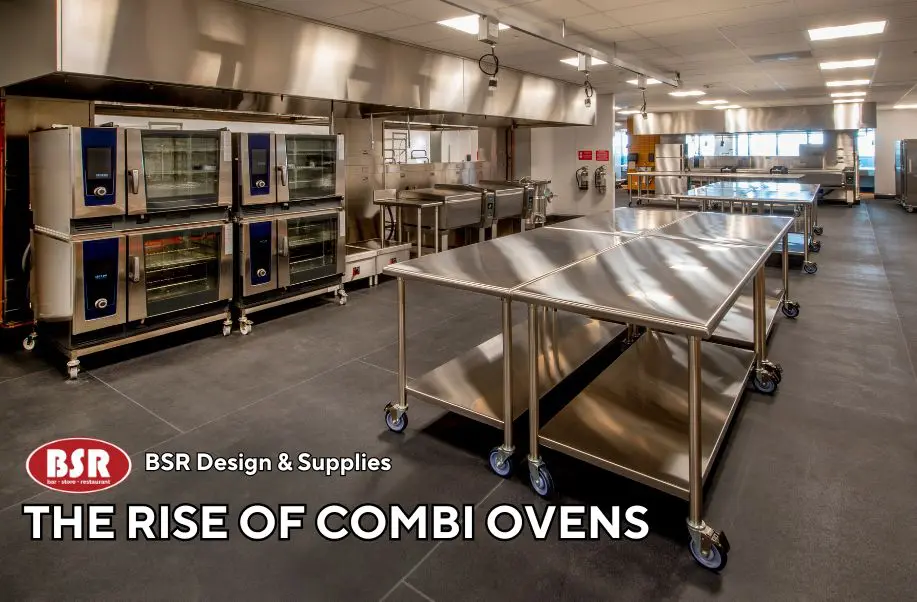
Commercial kitchens are under more pressure than ever. Rising labor costs, limited kitchen space, and the demand for faster ticket times are forcing operators to rethink how their back-of-house is designed. The old model of using multiple single-purpose appliances is becoming inefficient, expensive, and difficult to scale.
That’s why combi ovens have become one of the most important shifts in modern commercial kitchen design.
Instead of relying on separate steamers, convection ovens, proofers, and holding cabinets, a combi oven combines all of those functions into one intelligent cooking system. For restaurants, cafés, ghost kitchens, and institutional foodservice operations, this means more output from a smaller footprint, tighter control over food quality, and less reliance on highly skilled labor.
As commercial kitchens continue to prioritize speed, consistency, and efficiency, combi ovens are no longer a “nice upgrade” they’re becoming a core part of how high-performing kitchens are built.
1. One Piece of Equipment Replacing Multiple Stations
Many operators are moving away from single-purpose equipment and shifting toward multi-function commercial cooking equipment that can handle multiple tasks in one unit. Combi ovens are changing how commercial kitchens operate by allowing teams to steam, roast, bake, grill, regenerate, and hold a wide variety of menu items in a single piece of restaurant cooking equipment.
As a result, many operators are realizing they don’t necessarily need more equipment, they need smarter, more efficient commercial kitchen solutions. This level of flexibility allows kitchens to simplify their cook line while still maintaining strong production capacity, kitchen workflow efficiency, and consistency during service.
2. Labor Costs and Kitchen Efficiency
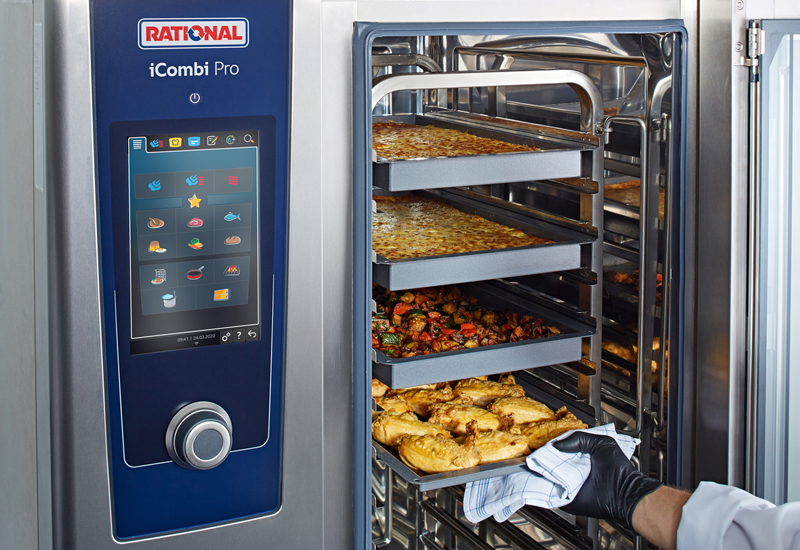
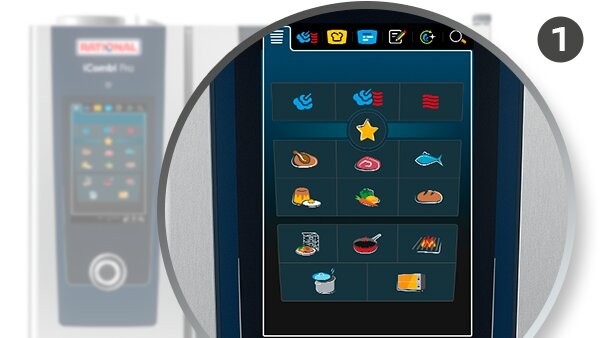
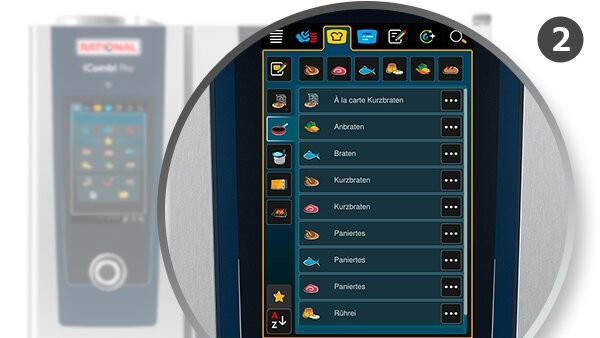
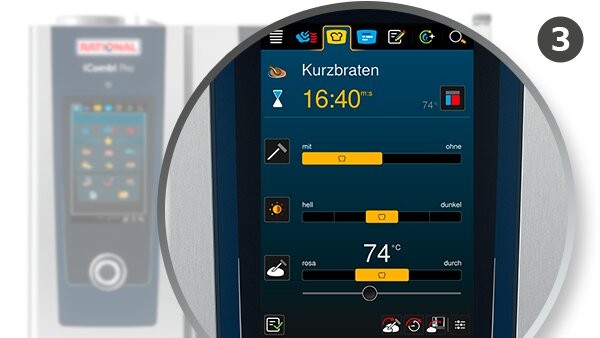
Kitchens are being designed around labor efficiency in commercial kitchens, not ideal staffing levels. In many restaurants, the amount of prep work, training, and hands-on production required can be reduced with a commercial combi oven because operators can program custom recipes, cook times, and settings directly into the equipment.
These presets help ensure each dish is cooked consistently and ready to serve with minimal guesswork. Many operators see reduced labor dependency and improved throughput as a result of automating repeatable cooking processes inside a combi oven. Instead of constantly monitoring multiple pans, pots, and cooking stations, staff can rely on automated cooking programs that simplify restaurant kitchen workflow throughout the day.
This also helps reduce dish volume, unnecessary movement, and inefficiencies during peak restaurant service operations. Restaurants can spend less time on extensive training while still maintaining consistent food quality across staff members and shifts.
3. Space Is Becoming More Valuable
As more operators move toward smaller footprints, pickup-focused concepts, and faster service models, every square foot in a commercial kitchen layout matters more than ever.
Combi ovens are becoming a key solution for ghost kitchens, fast-casual restaurants, and high-efficiency restaurant kitchens because they help streamline production while taking up less space than multiple traditional cooking appliances. Operators can combine several cooking functions into one compact commercial cooking system footprint.
That flexibility helps kitchens move faster during peak hours while improving kitchen workflow efficiency in restaurants and simplifying workflow in tighter spaces.
Combi ovens can also help reduce operational costs. Many models are designed to lower energy consumption in commercial kitchens and water usage in restaurant equipment compared to traditional equipment setups. Rather than adding more equipment, many modern kitchens are focusing on smarter layouts and multi-function cooking equipment solutions that allow them to produce more with less space.
4. Combi Ovens vs Traditional Commercial Ovens
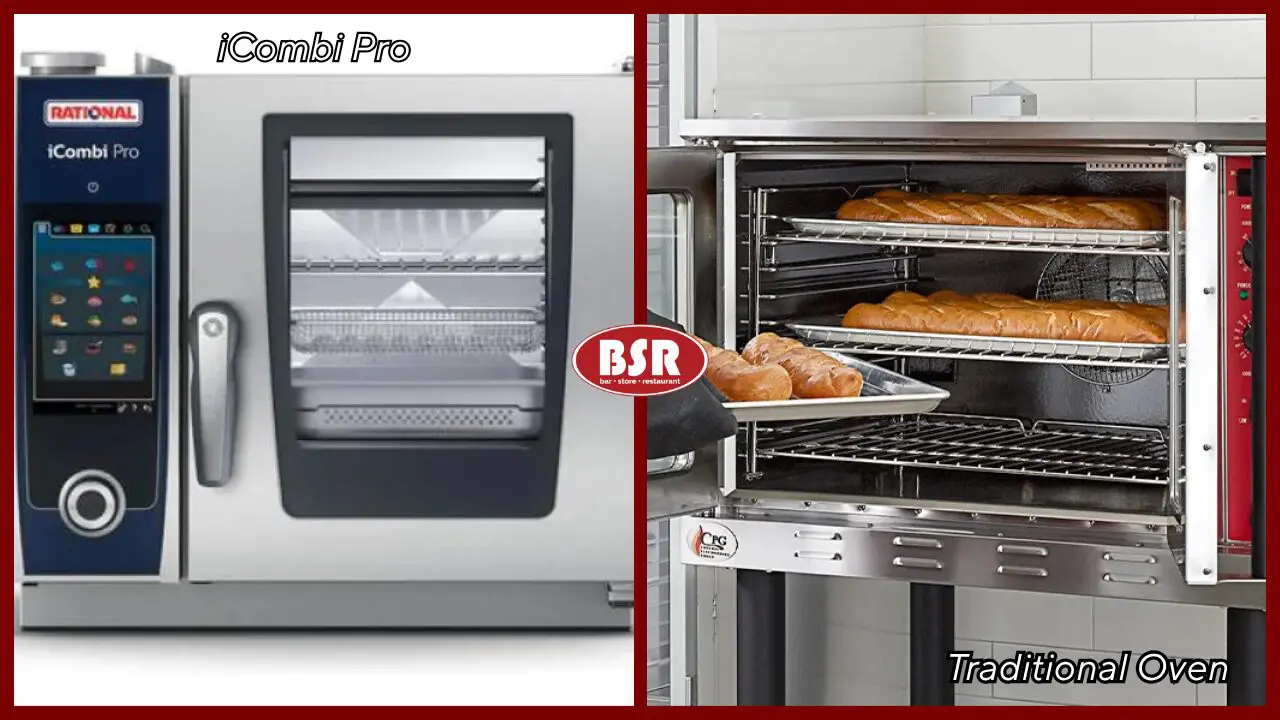
Traditional commercial ovens are built for one primary function: dry heat cooking. While they’re reliable for roasting and baking, they require multiple additional pieces of equipment to handle the full range of modern menu demands with steamers for moisture control, holding cabinets for service, and separate equipment for regeneration or batch cooking.
A combi oven changes that entire workflow.
With steam, convection, and combination cooking modes, a combi oven gives operators precise control over humidity, temperature, and airflow inside a single unit. That means chefs can roast proteins without drying them out, bake with more consistent results, steam vegetables without separate equipment, and reheat prepped items while maintaining texture and quality.
In short:
- Traditional ovens = single purpose + multiple machines required
- Combi ovens = multi-function + streamlined cook line design
This shift is one of the reasons so many modern kitchens are redesigning their layouts around combi technology instead of traditional equipment banks.
5. Menu Flexibility and Consistency
One of the biggest advantages of a combi oven isn’t just efficiency, it’s menu flexibility.
Instead of building a menu around equipment limitations, kitchens can now build equipment usage around the menu.
With programmable recipes and cooking presets, staff can execute complex dishes consistently without relying on highly trained chefs for every station. That means a single unit can handle roasting proteins, baking pastries, steaming vegetables, regenerating prepped meals, and even holding food at precise temperatures during service.
This creates two major operational advantages:
First, consistency improves across shifts and staff skill levels. Once a recipe is programmed, it reduces variation in execution and helps maintain food quality during high-volume service.
Second, menu expansion becomes easier. Operators can introduce new items without needing additional equipment or major kitchen redesigns, which is especially important for fast-casual concepts, ghost kitchens, and growing restaurant groups.
Ultimately, combi ovens give operators something traditional kitchens struggle with flexibility without complexity.
The Future of Commercial Cooking Equipment.
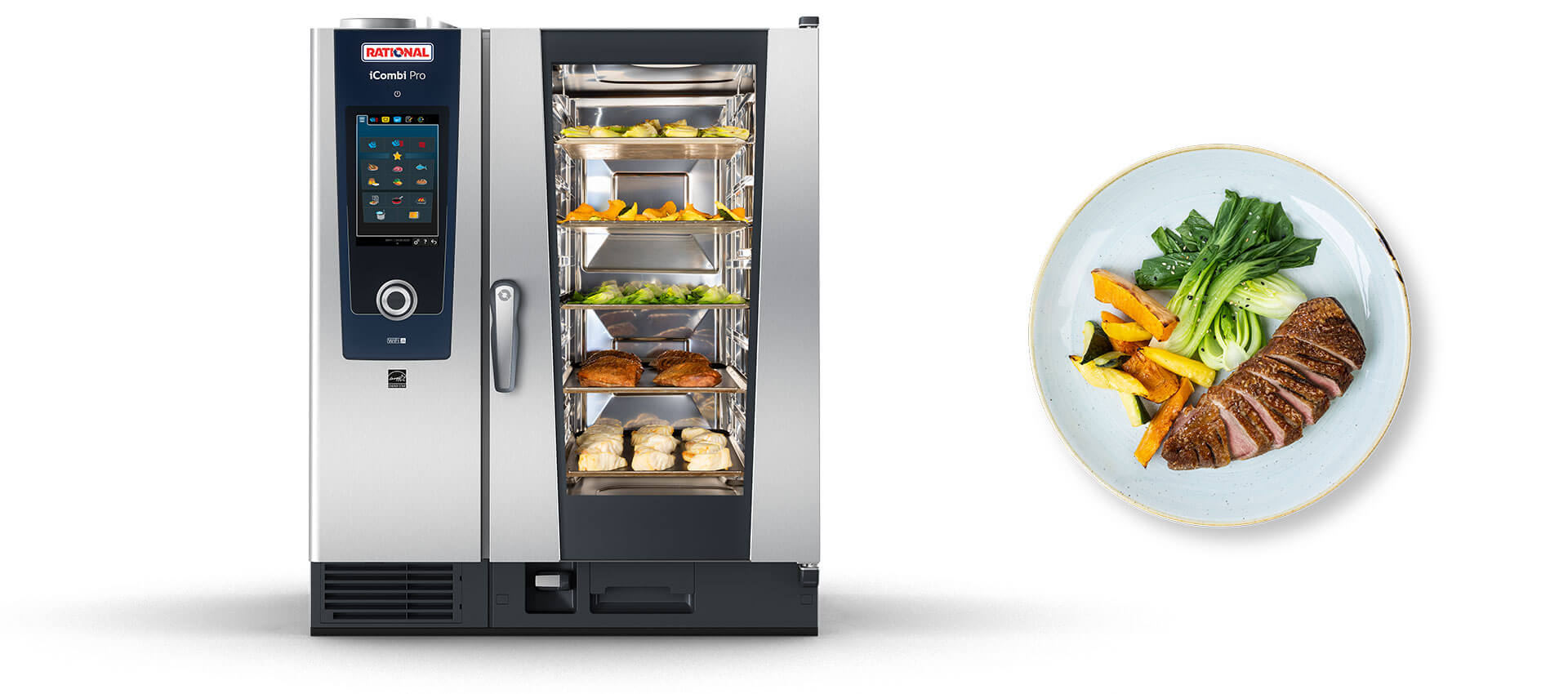
Equipment like the RATIONAL iCombi Pro and the Vulcan Combi are helping operators rethink traditional cook line design in modern commercial kitchen equipment planning. We help operators explore how combi oven cooking systems fit into real-world restaurant kitchen design and layout. Our Spokane, Washington showroom offers live demonstrations where you can see how a commercial combi oven improves speed, consistency, and kitchen workflow efficiency.
We host public demos regularly and we also offer private combi oven demonstrations tailored to your restaurant concept and commercial kitchen design needs and kitchen layout.
0 Comments