by BSR Marketing | May 12, 2026 | Uncategorized
A well-designed restaurant patio is no longer just extra seating, it’s an extension of your operation, guest experience, and revenue potential.
The best restaurant patios are designed to maximize seating without sacrificing flow, comfort, or service speed. Whether you operate a coffee shop in Boise, a brewery in Idaho Falls, or a full-service restaurant in Twin Falls, your patio layout directly impacts ticket times, table turns, and revenue potential.
Here are five restaurant patio ideas that help improve efficiency while creating a better outdoor dining experience for guests.
1. Patio Furniture That Supports Operations
Commercial patio furniture should help operations run smoother, not slow them down.
The right furniture improves movement throughout the patio and makes it easier for staff to clean, reset, and adapt seating during service. Patios often need to shift throughout the day depending on reservations, group sizes, or weather conditions. Flexible furniture allows operators to make quick adjustments without disrupting guests or slowing service.
High-performing patios are built around:
- Durable commercial furniture
- Lightweight, movable seating
- Easy-clean surfaces
- Layout flexibility
The best patio setups support both guest comfort and operational efficiency.
2. Where Durability Meets Design
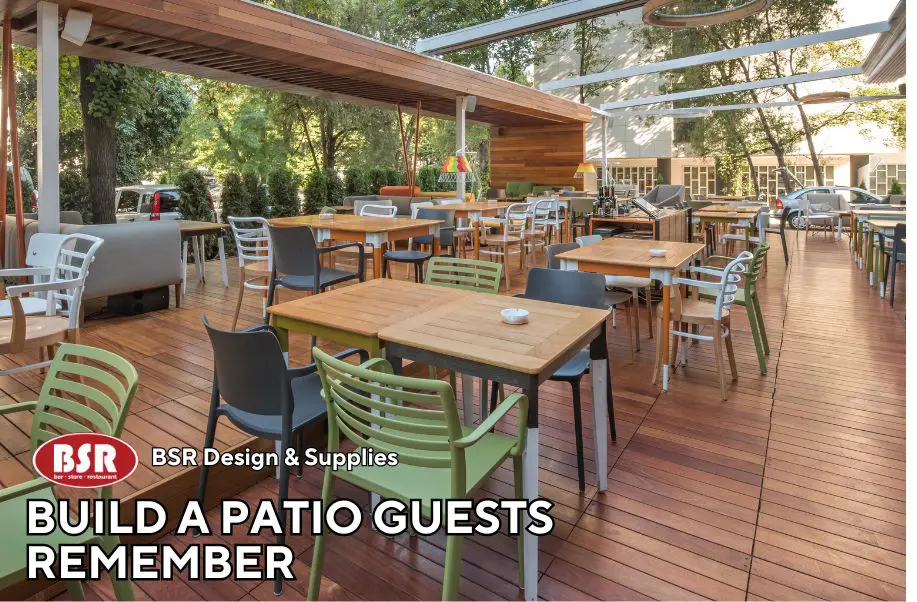
The best restaurant patios balance functionality with design. Furniture needs to be durable and easy for staff to move, clean, and reset quickly during busy service. At the same time, the look and feel of the patio shapes the guest experience and becomes part of your restaurant’s brand.
Current outdoor dining trends are moving toward:
- Warm, hospitality-driven patio designs
- Mixed material finishes like metal, wood, and woven textures
- Lounge-style seating areas
- Neutral earth tones with bold accent colors
Operators are also leaning into designs that feel less “commercial” and more like an outdoor destination. The key is choosing commercial patio furniture that delivers both style and performance. Durable materials help operations run smoothly while still creating a patio guests remember.
3. Lighting That Shapes the Patio Experience
Lighting plays a bigger role in outdoor dining than most operators realize. It doesn’t just help guests see, it sets the tone for how the entire patio feels.
Well-planned patio lighting creates warmth, comfort, and atmosphere that encourages guests to stay longer and enjoy the space. It can turn a simple outdoor seating area into a destination that feels inviting during both early evenings and late-night service.
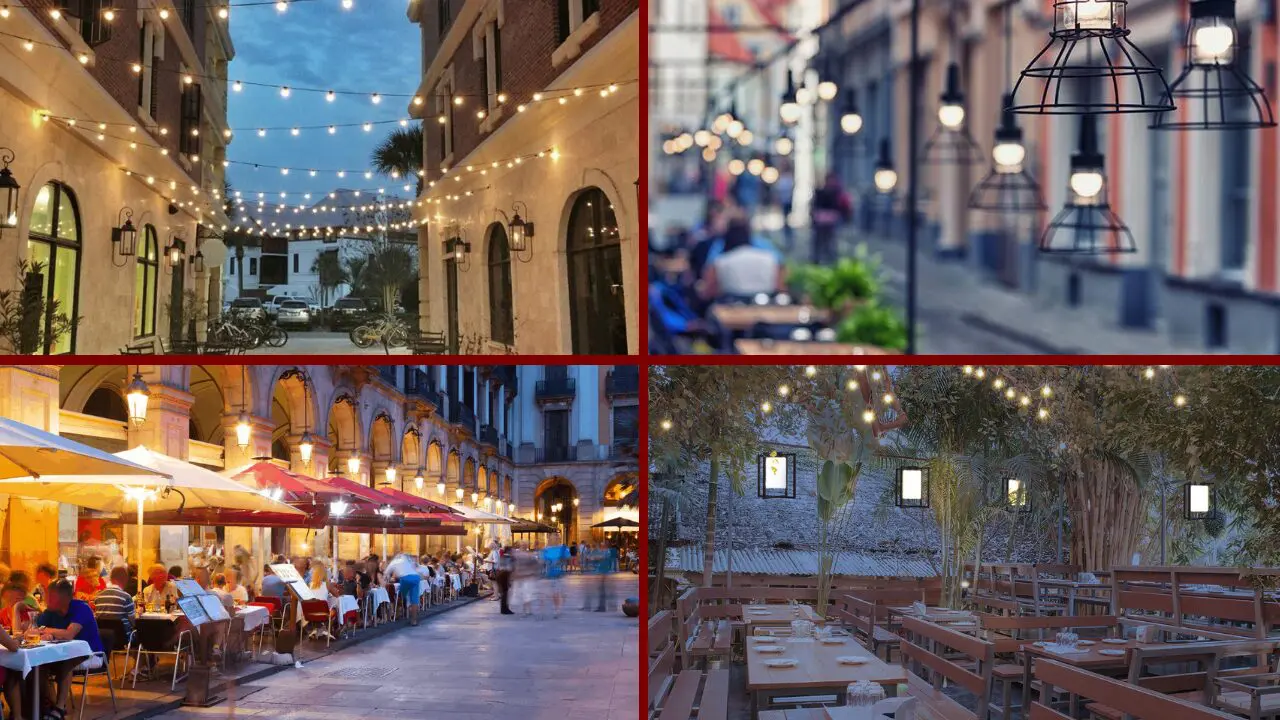
Most Common Outdoor Patio Lights:
- String Lights (Bistro / Fairy Lights)
- Wall Sconces & Outdoor Lanterns
- Post Lights & Bollard Lights
- Pendant Lights & Overhead Fixtures
When lighting is done right, it enhances the guest experience without drawing attention to itself. It quietly shapes mood, improves comfort, and defines the personality of the space after sunset.
4.Guest Comfort Drives Revenue
Seating capacity matters, but guest comfort drives higher check averages and longer stays. Guests are more likely to order another drink, appetizer, or dessert when they feel comfortable in the environment. That’s where intentional outdoor dining restaurant design makes a direct impact on sales
Poor seating, harsh sunlight, uncomfortable temperatures, or loud layouts can shorten visits and reduce check averages.
The best outdoor dining spaces focus on:
- Comfortable seating angles
- Shade Solutions
- Wind Management
- Proper Seating and space between tables
A comfortable patio experience encourages guests to stay longer while helping restaurants maximize revenue per table.
5. Year-Round Patio Equipment
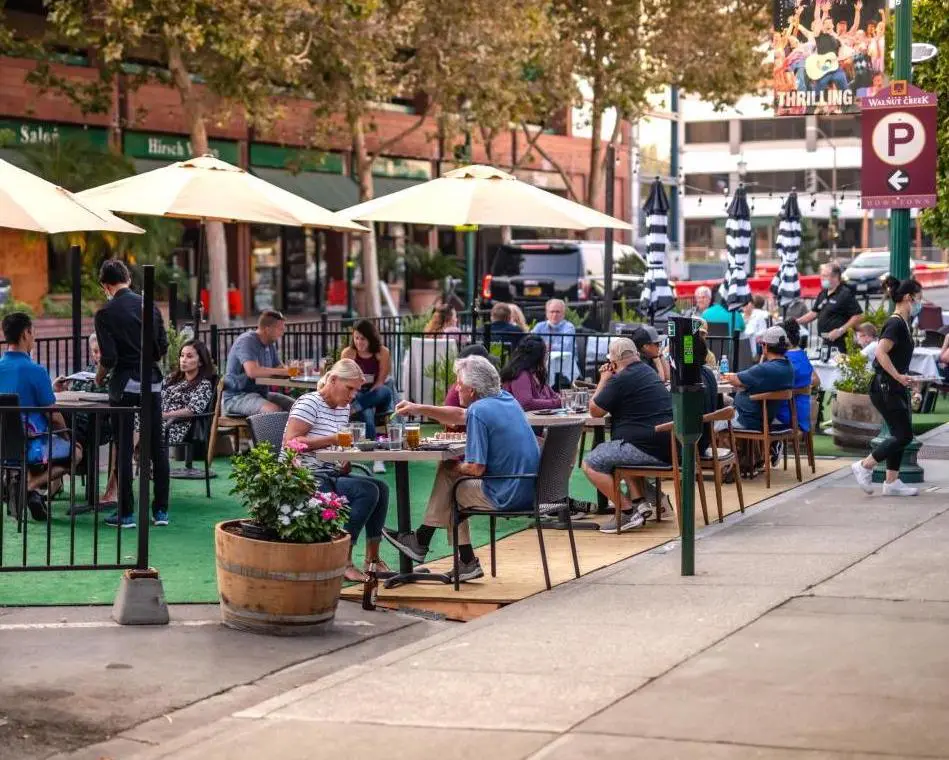
Restaurants across Idaho are investing more heavily in outdoor dining upgrades because patios now operate as true revenue centers rather than seasonal add-ons.
The right setup can help restaurants keep patios comfortable and functional well beyond peak summer months.
Features like:
- Patio heaters
- Umbrellas
- Wind barriers
- Flexible outdoor seating (Stackable Chairs, Waterproof Furniture, ETC)
can significantly extend patio usability throughout the year. Guests remember how a space feels just as much as the food itself. The goal is to create a patio environment that guests want to stay in longer while maintaining operational efficiency for staff.

Looking to Upgrade Your Restaurant Patio?
BSR delivers expert foodservice design, equipment, and supply solutions for Idaho restaurants and hospitality businesses.
Whether you need:
- Commercial patio furniture
- Outdoor dining layouts
- Restaurant design support
- Foodservice equipment
Our team is here to help create a patio built for comfort, efficiency, and long-term performance.
by BSR Marketing | Apr 28, 2026 | Uncategorized
How to Choose the Right Tabletop for Your Idaho Restaurant
Choosing the right tabletop supplies for your restaurant plays a major role in guest experience, branding, and overall perception. From commercial dishware and glassware to flatware and presentation, every detail at the table helps shape how customers experience your space.
It starts from a simple search: “Restaurants in Twin Falls”
From a friend’s night out, or tourists looking up “where to eat in Idaho Falls” maybe it’s someone that just moved here searching “Best Restaurants in Boise.” For whatever reason, they aren’t just searching up something to eat, they are looking for an experience.
A list pops up. From photos to reviews, within seconds a decision is made.
This is where your brand comes to life.
1. How Tabletop Design Impacts Restaurant Experience
Start with one core question:
What do you want your guests to feel when they sit down?
Tabletop isn’t just about function; it’s a key part of your brand. The look and feel of your restaurant tableware, from glassware to flatware, everything communicates your concept without saying a word.
Before a guest takes their first bite, they’ve already formed an impression.
Is it relaxing? Elevated? Fast-paced? Intentional?
That impression often starts at the table.
People don’t just come to restaurants to eat anymore. They come to experience something. To connect, to celebrate, and to remember. And in many ways, the tabletop is where that experience begins.
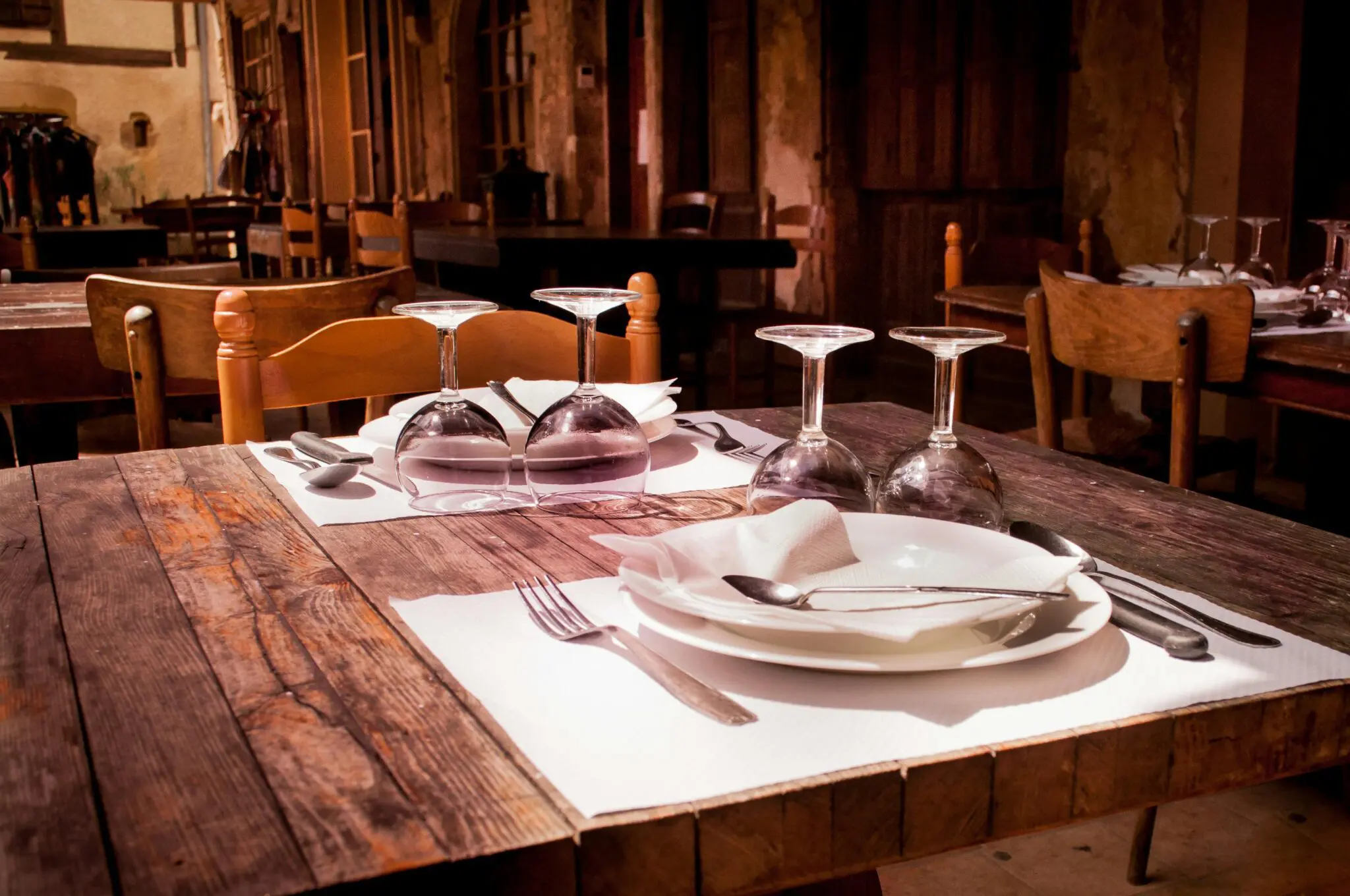
The weight of a fork, the clarity of a glass, the texture of a plate, these details shape perception. High-quality restaurant tabletop supplies signal care, consistency, and professionalism. On the other hand, mismatched or low-quality pieces can quietly create doubt about the overall experience.
So, when you’re building your space, don’t overlook what’s right in front of your guests. Whether you’re sourcing restaurant supplies in Idaho or designing a new concept your tabletop is where your brand truly comes to life. With the help of this guide, you can create the right tabletop your restaurant needs.
With the help of this guide, you can create the right tabletop your restaurant needs, one that aligns with your concept, supports your staff, and enhances the guest experience.
2. Casual vs. Upscale Tabletop: What’s the Difference?
Picture this.
It’s a Friday night in Boise, Twin Falls, or Idaho Falls. A group of friends walks into a lively, casual spot. Music is playing, conversations overlap, and the energy is easygoing. They slide into their seats, grab menus, and without thinking twice, start chatting.
The tabletop supplies are simple, durable, and efficient. It all just works. Maybe it’s sturdy commercial dishware, stackable glassware, and flatware that can handle constant turnover. It feels comfortable and familiar.
Now shift the scene.
A couple walks into an upscale restaurant. The lighting softens. The room quiets. As they sit down, the table is already telling a different story.
The weight of the commercial flatware and glassware feels intentional. The glassware is polished and refined. The dishware is thoughtfully selected to frame each plate.
Before the first bite, there’s a sense that this is more than dinner, it’s an experience.
That’s the difference.
In a casual setting, guests value comfort, speed, and durability. In an upscale environment, expectations shift toward detail, presentation, and atmosphere. Choosing the right restaurant tableware and tabletop supplies plays a critical role in meeting those expectations.
When your tabletop aligns with your concept, everything feels cohesive. When it doesn’t, guests notice, even if they can’t explain why.
Choosing the wrong pieces for your brand can create a disconnect, one that guests immediately see and feel. Whether you’re sourcing commercial glassware, dishware, or flatware, alignment matters.
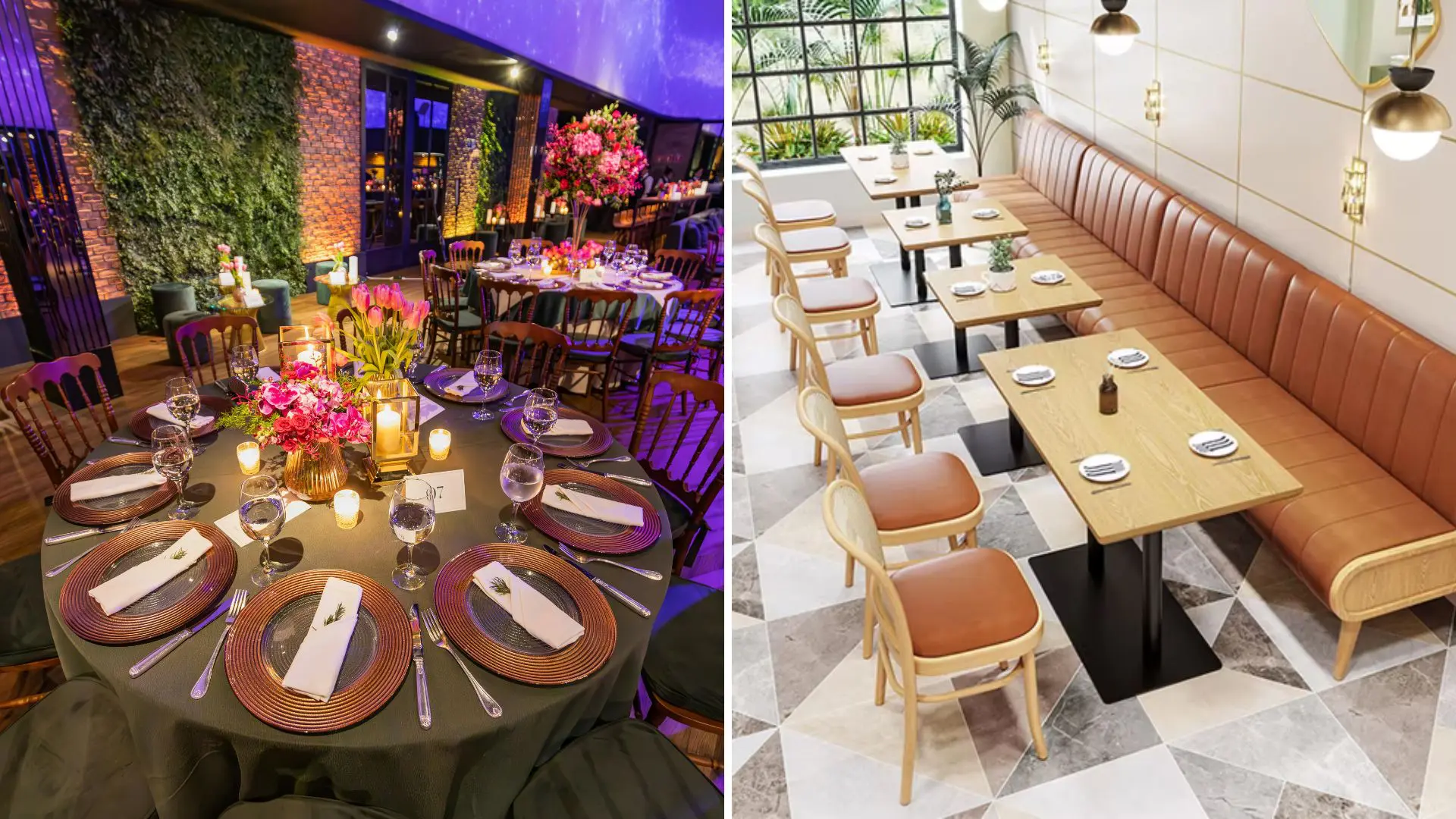
3. Common Tabletop Mistakes Restaurants Make
One of the biggest mistakes restaurants make when choosing tabletop supplies is focusing on appearance alone.
Yes, aesthetics matter, but they’re only part of the equation.
Here are a few common mistakes to avoid:
- Choosing style over durability
That trendy plate may look great on day one, but will it hold up during a busy dinner rush? Chipping, scratching, and breakage can quickly turn a design decision into a cost problem.
- Ignoring functionality for staff
Heavy plates, awkward glassware, or poorly balanced commercial trays can slow down service. If your staff struggles, your guests will feel it.
- Mixing too many styles
Unless it’s intentional, inconsistency can make your brand feel unpolished. Cohesion across dishware, glassware, and flatware creates a stronger visual identity.
- Not thinking about storage and space
Stack ability and storage matter more than most operators expect. The wrong tabletop supplies can create back-of-house inefficiencies.
- Overlooking replacement and availability
Working with our team in Idaho ensures you can reorder and maintain consistency long-term.
Avoiding these mistakes helps ensure your tabletop supports and not hinders your operation.
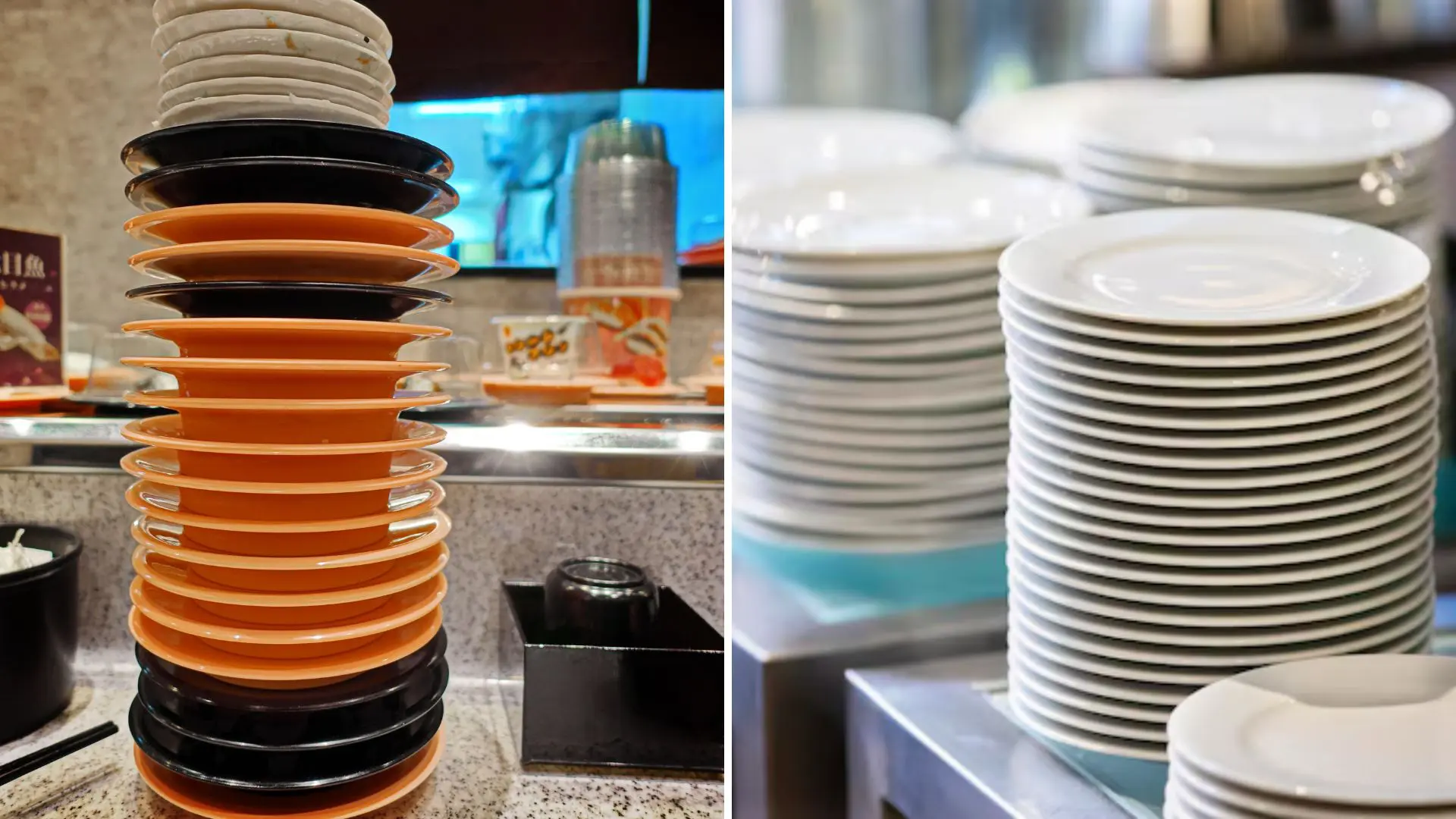
4. Why Tabletop Details Matter in Restaurants
Guests may not always remember the exact plate or glass in front of them, but they will remember how it felt to sit at your table.
That’s the power of thoughtful tabletop design.
From casual dining to upscale experiences, the right restaurant tabletop supplies help turn everyday moments into something memorable.
These details influence:
- Perceived food quality
- Comfort and usability
- Brand consistency
- Overall guest satisfaction
Because in the end, your table isn’t just where people eat.
It’s where your brand is felt.

FAQ: Restaurant Tabletop Supplies
What are tabletop supplies in a restaurant?
Tabletop supplies include dishware, glassware, flatware, and other items used at the dining table to serve food and beverages. These elements need to be both functional and aligned with your restaurant’s brand.
Where can I find restaurant supplies in Idaho?
If you’re located in Boise, Twin Falls, or Idaho Falls, working with BSR ensures faster delivery, better support, and access to the right products for your operation.
Why is tabletop important in restaurant design?
Tabletop plays a major role in guest perception. It influences how customers view quality, comfort, and the overall dining experience.
How often should restaurants replace tabletop supplies?
It depends on volume and material but regularly inspecting and replacing worn or damaged items is key to maintaining a consistent guest experience.
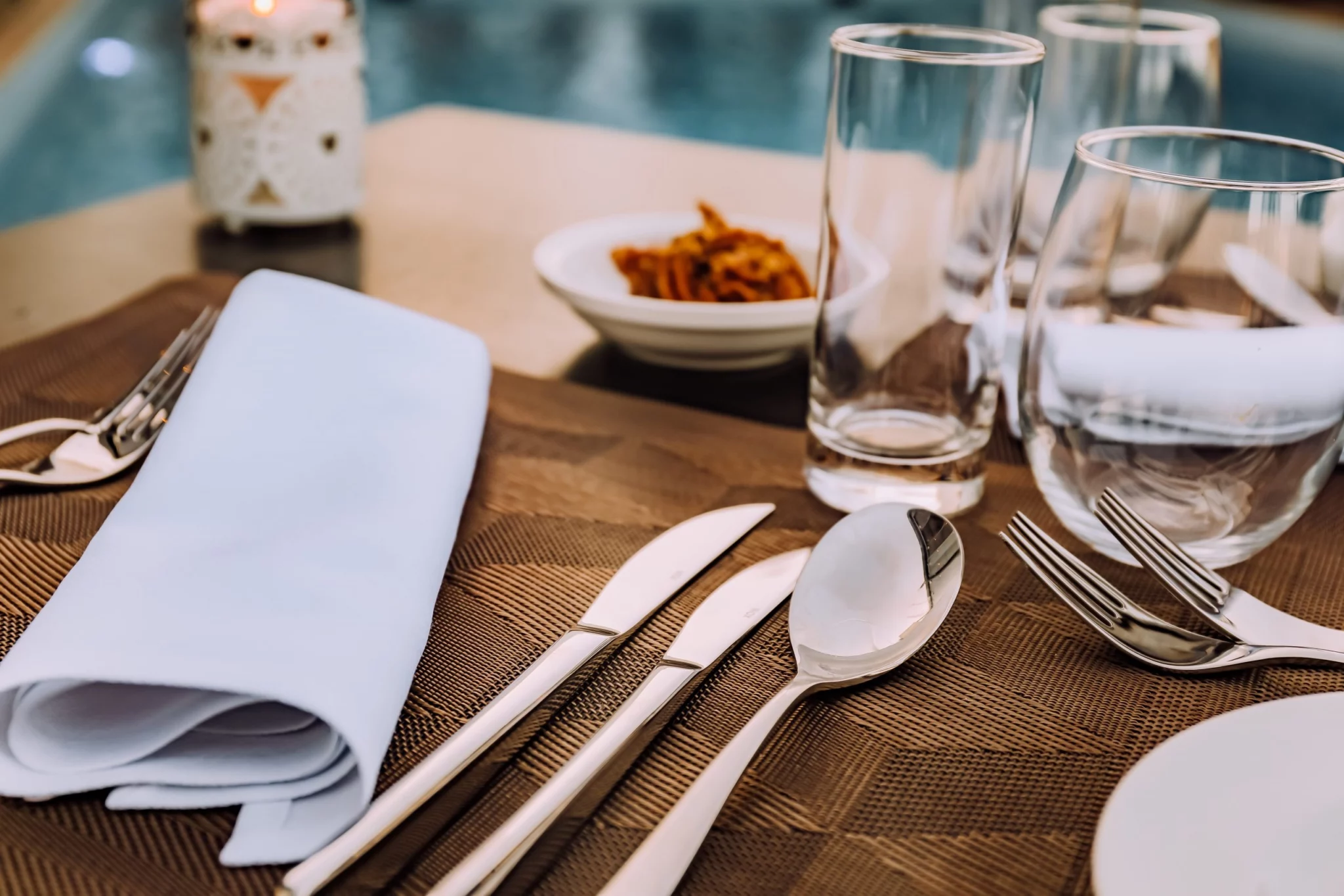
Final Thoughts
If you’re designing or updating a restaurant, don’t overlook what’s right in front of your guests.
Small details at the table can have a bigger impact than most people expect.
Choosing the right tabletop supplies isn’t just about function, it’s about creating an experience your guests will remember, return to, and talk about.
Whether you’re opening a new concept or refining an existing one, aligning your commercial dishware, glassware, and flatware with your brand is one of the most effective ways to elevate your space.
If you’re in Boise, Twin Falls, or Idaho Falls and planning a new restaurant or upgrade, working with our local teams can make all the difference.
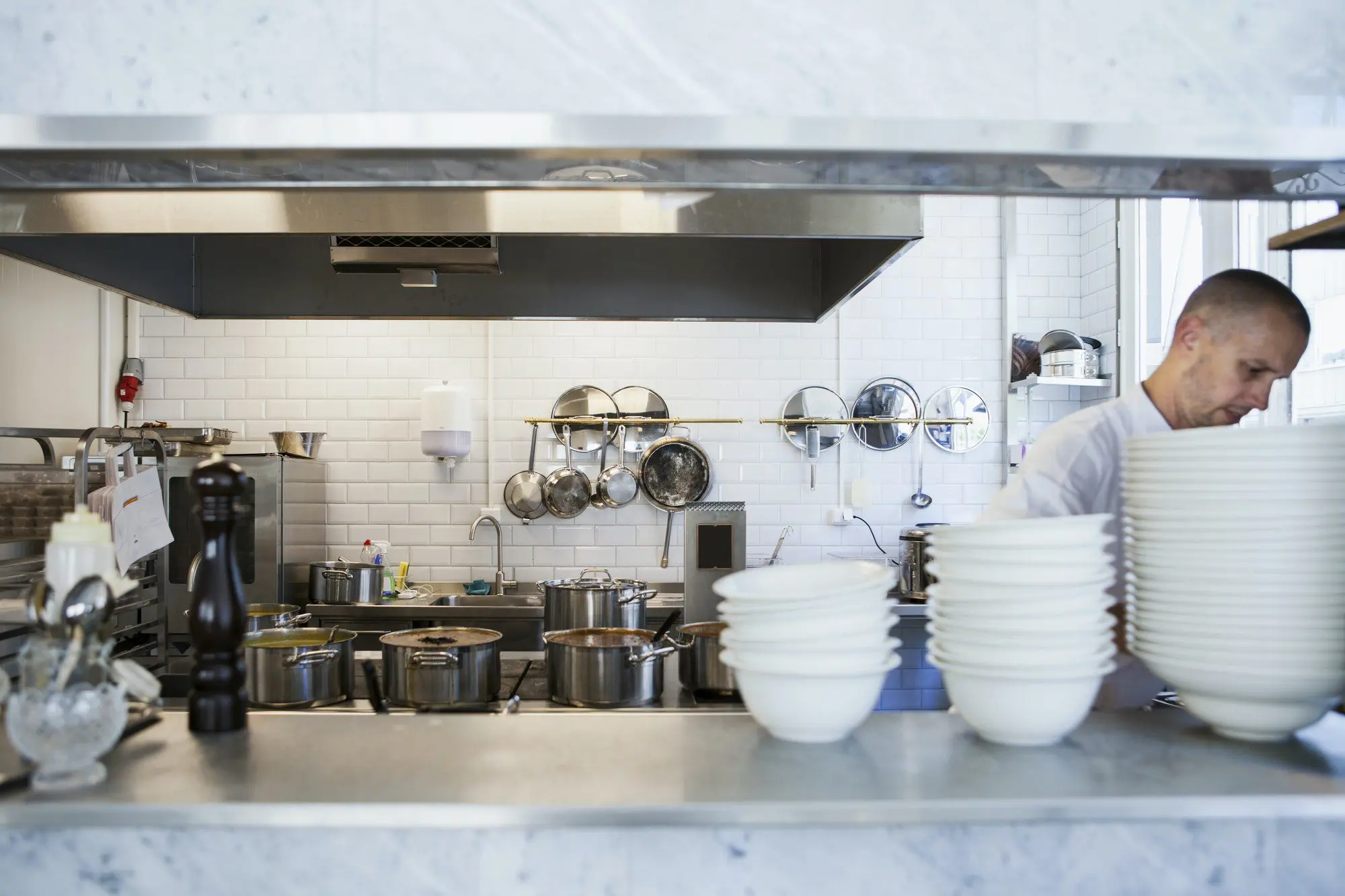
by BSR Marketing | Apr 15, 2026 | Uncategorized
Opening a Restaurant? 6 Mistakes That Can Make or Break You
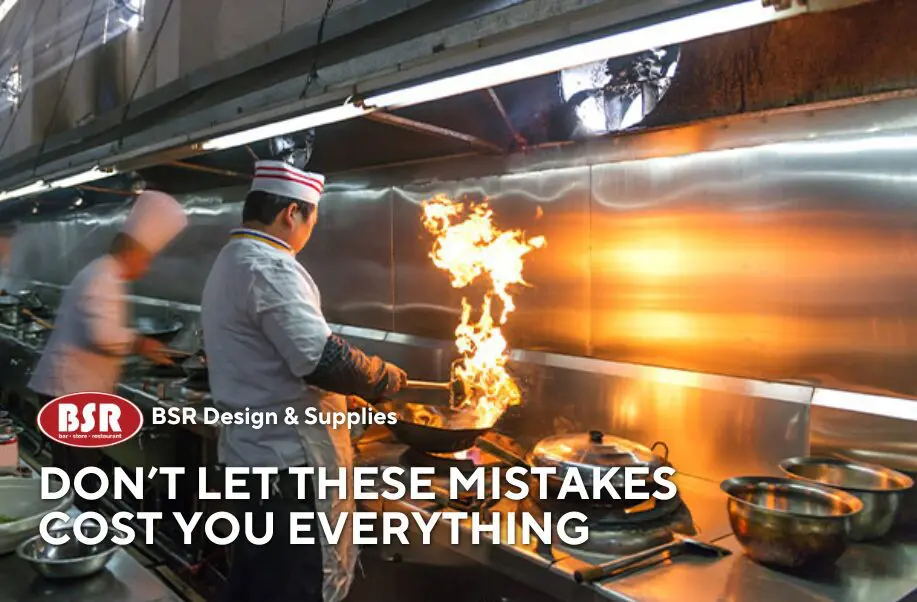
Opening a restaurant is exciting, but for many first-time restaurant owners, things don’t fail because of bad ideas; things struggle because of overlooked fundamentals. This restaurant startup guide focuses on the details that matter most. From commercial kitchen design to budgeting, the small decisions you make early on often become the biggest obstacles later.
Here are six of the most common restaurant startup mistakes and how to avoid them.
1. Your Kitchen Layout Sets the Tone
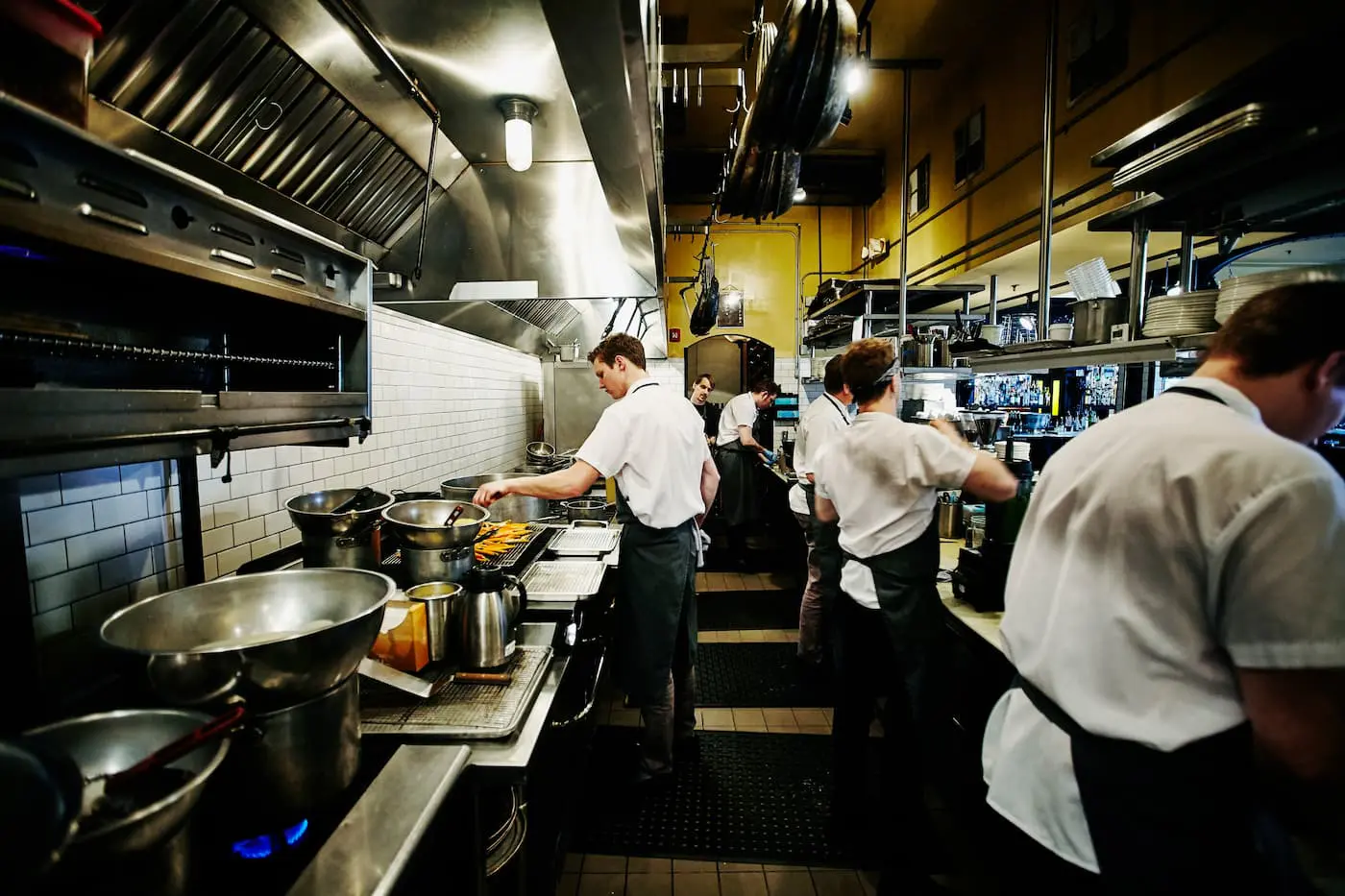
The goal of a kitchen is simple: everything moves smoothly in a logical direction, but in most cases, people don’t know how to get the most out of the space in a timely manner. From food prepping to cooking, plating, and service, your teams are crossing paths, and the simple tasks start to become timely ones.
What Works:
Planning your layout around how your team actually moves through the kitchen is one of the most overlooked steps. Walking through real scenarios and testing your setup helps you make better use of your time and space. With the 3D kitchen layouts, we design at BSR Design & Supply, you can see and walk through your space ahead of time so you can make adjustments early and support your team.
2. Choosing the Right Restaurant Equipment Matters
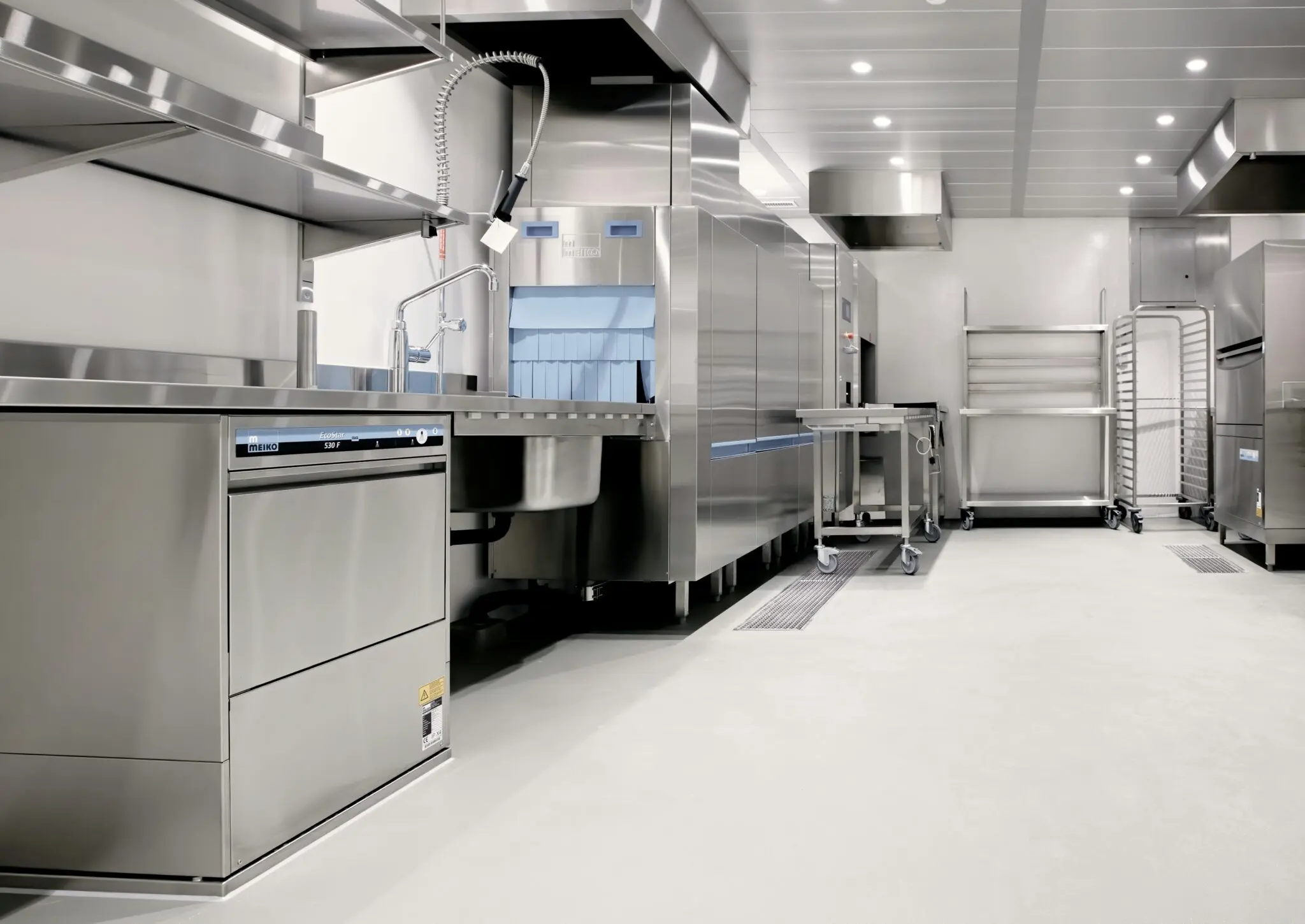
Your busiest day doesn’t care about your budget; it cares about the right equipment. Making sure that you have the equipment that can last over time from day one is going to set you up to achieve your restaurant goals. Cutting the costs of the materials and buying equipment that struggles to keep up with demands is going to cost you more in the long run.
What Works:
Choosing equipment shouldn’t feel like guesswork. Here at BSR Design & Supplies our team works with you to understand how your kitchen will actually operate from your menu, volume, and your long-term plans. Our project Manager helps identify equipment that fits your needs, not just what’s available. As a trusted restaurant equipment supplier in Idaho, we focus on durability and fit for your operation
3. Code Compliance Starts Early
Code requirements aren’t something to figure out at the end; they shape how your space needs to be built from the start. In Idaho, that means working within a mix of state and local regulations that can vary by city and county to cover everything from health and safety to building design. Where projects run into trouble is when these aren’t accounted for early. Missing something like proper ventilation or spacing can lead to redesigns, added costs, and delays.
At minimum, restaurants need to meet these codes:
- Idaho Food Code
- Local health department requirements
- Building and fire codes
- ADA
- Plumbing and grease interceptor requirements.
What Works:
Our staff helps bridge that gap by coordinating layout, equipment, and code requirements together. From design through installation, we make sure everything fits, functions, and meets compliance.
4. Build a Budget That Works in Real Life
Many restaurants underestimate how long it takes to become profitable. A strong start financially gives you room to adjust and improve. One of the most common restaurant startup mistakes new restaurant owners make is not fully accounting for all their costs. Things like operating expenses, staffing, and the investment needed to properly support the kitchen, and day-to-day operations are often where problems show up first.
What Works:
We help you plan those investments in a way that fits your timeline and budget. Our in-house team offers straightforward financing options, so you can move forward with what you need. This is a key part of any solid opening a restaurant checklist.

5. Start Simple, Then Grow
Creating a large menu to begin with can cause more problems than owners realize. More items mean more ingredients to manage, more prep time, and often more equipment, which can cause more inconsistency, especially during a rush. It also makes training harder. The more your team has to learn and execute, the longer it takes to get everyone up to speed and the harder it is to maintain consistency across every dish.
What Works:
Build a menu your team can execute consistently, even under pressure. You can always expand later but it’s much harder to fix an overcomplicated system later down the road.
6. Build for Reality, Not Just the Idea
The biggest mistake new restaurant owners make is planning for the idea of a restaurant rather than the reality of running one. A successful restaurant isn’t just about great food or a beautiful space, it’s a system where layout, equipment, compliance, budgeting, and people all work together under pressure.
What Works:
Plan for busy shifts, staffing challenges, and real-world demands.

Start Your Restaurant the Right Way with BSR Design and Supplies
Get Started Today

by BSR Marketing | Apr 9, 2026 | Uncategorized
Feeding 500 Kids a Day: What a High-Volume School Kitchen Actually Needs
Let’s set the scene. It’s 11:15 on a Tuesday. The first lunch wave hits in fifteen minutes. You’ve got 500 kids coming through that line, and somewhere between the oven and the serving line, someone just realized you’re low on a key ingredient.
This is school foodservice. It’s high stakes, fast-moving, and completely unforgiving of a poorly equipped kitchen.
Whether you’re a school food service director opening a new facility or trying to figure out why your current kitchen always feels one step behind, here’s what a high-volume school kitchen actually needs to run well.
Commercial Kitchen Equipment Built for Volume, Not Orders
Here’s something most people don’t realize: commercial kitchen equipment that works great in a restaurant doesn’t always translate to a school cafeteria kitchen. The demand is different. The rhythm is different. You’re not cooking to order; you’re cooking in volume, on a schedule, every single day.
Convection ovens are a reliable, budget-friendly workhorse for school kitchens. They circulate hot air evenly, cook faster than conventional ovens, and handle large sheet pans of proteins, vegetables, and baked goods without breaking the bank. If your operation is feeding hundreds of students daily, having two or three convection ovens running in rotation is often smarter than investing in a single high-end unit.
A braising pan, sometimes called a tilt skillet, is another piece of commercial kitchen equipment that often gets overlooked. It can braise, boil, fry, steam, and griddle cook in large quantities, making it far more practical for school foodservice than a standard commercial range. Ranges still have their place, especially for soups and sauces, but the braising pan is often the more economical and flexible choice.
Steam-jacketed kettles are worth considering too, especially for operations producing large batches of soups, stews, sauces, or grains. They heat evenly, are easy to clean, and can dramatically cut the time it takes to produce large quantities of hot food.
School Kitchen Refrigeration: More Than Just Keeping Things Cold

Cold storage in a school cafeteria kitchen needs to be spacious, reliable, and organized. You’re holding bulk produce, dairy, prepped items, and frozen goods, often all at once. Walk-in coolers handle the bulk of it, but reach-in refrigerators keep ingredients accessible during service without staff trekking back and forth constantly.
Don’t overlook the milk cooler either. It sounds like a small detail, but in a school setting, milk coolers are specifically designed to hold entire crates of half-pint cartons and keep them cold even when the doors are open during service. It’s one of those things that makes the serving line move noticeably faster.
School Cafeteria Serving Line Equipment
You can have a great kitchen and still lose the lunch period at the serving line. Holding equipment matters here. Steam tables, heat lamps, and warming cabinets keep food at safe temperatures without drying it out while students are still coming through.
The line itself needs to move. Sectioned trays help with faster portioning. Clear, organized serving stations reduce confusion for staff and students alike. And a conveyor dishwasher at the back end keeps clean trays cycling through without creating a bottleneck that backs everything up.
School Kitchen Layout and Design: Get the Flow Right First
Before you spec out a single piece of equipment, think about how your team actually moves through the space. Cooking, prep, holding, serving, and dishwashing all need to flow in one direction without staff constantly crossing paths. When those zones get muddled, things slow down, and in a 30-minute lunch period, slow is a real problem.
Think about your headcount before you commit to anything. The school kitchen equipment sizing that works for 200 students is not the same as what you need for 500. Getting that wrong on the front end is an expensive lesson.
Reliability: The Most Important Feature in School Foodservice Equipment

School kitchens don’t get a night off. They run five days a week, across a full academic year. Equipment downtime in this environment isn’t just inconvenient; it’s a compliance issue and a feeding issue.
Keep a maintenance schedule, and don’t wait until something breaks to think about what happens when it does.
BSR Design & Supplies Knows School Kitchens
At BSR, we work with schools, hospitals, and hotels across the region. We understand that a school cafeteria kitchen has its own set of rules, its own pace, and its own demands, and we can help you design and equip a space that actually keeps up. Reach out and let’s talk through what your school kitchen needs.

by BSR Marketing | Mar 25, 2026 | Uncategorized
Designing a Senior Living Kitchen That Meets Today’s Expectations
Senior living dining programs have changed dramatically, and the kitchen needs to keep up. Today’s residents, many of them boomers who’ve eaten at great restaurants their whole lives, aren’t settling for institutional food served in an institutional way. And honestly? They shouldn’t have to.
Here’s what a senior living kitchen needs to meet those expectations in 2026.
Flexibility Isn’t Optional Anymore
The cafeteria model is on its way out. More and more senior living communities are moving toward a restaurant-style experience: different dining options throughout the day, flexible seating, and menus that seasonally change. That’s great for residents. But it puts real pressure on the kitchen
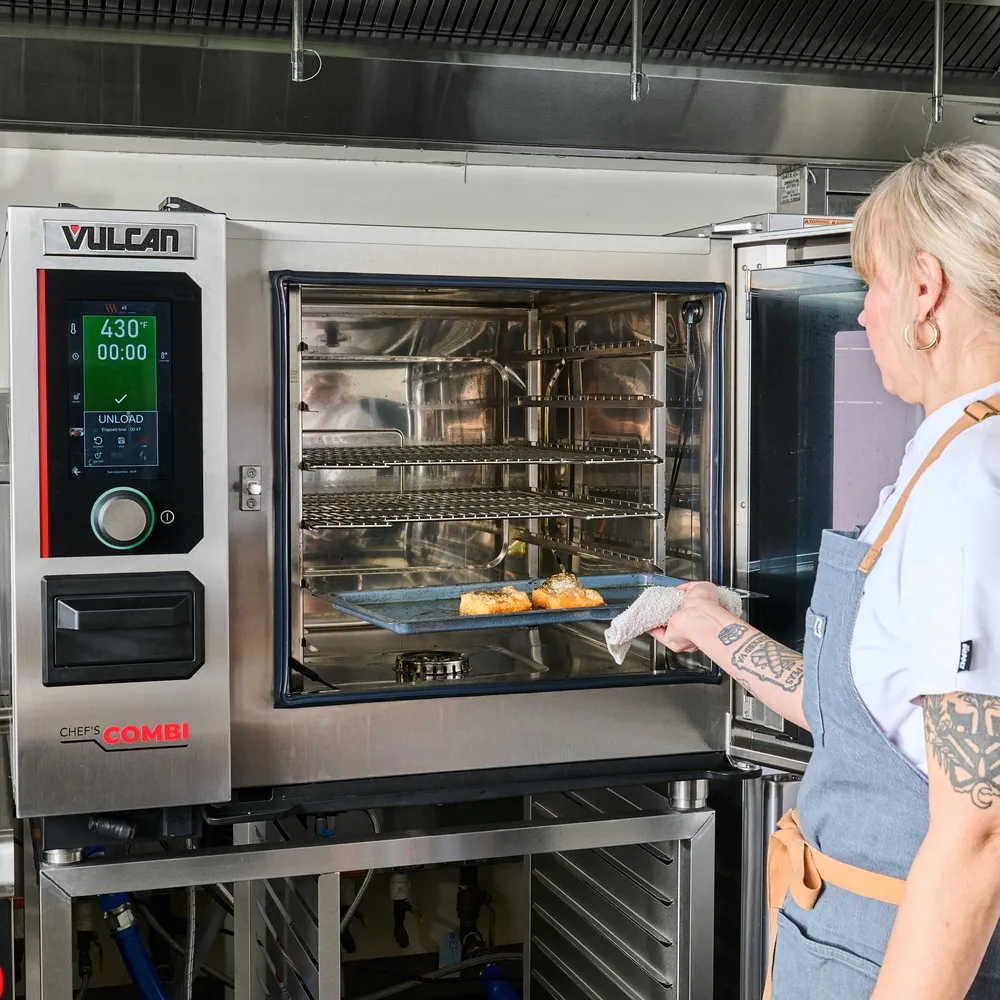
Flexibility is needed in a kitchen that needs to produce grab-and-go items, a casual lunch, freshly baked desserts, or a plated dinner. Your equipment lineup and your layout need to be able to shift with you. Think Combi ovens that can roast, steam, bake, or reheat on demand. Think storage that keeps multiple menu components organized and accessible. Think flow.
Layout: Get the Flow Right First
Before you pick a single piece of equipment, think about how your team actually moves through the space. In a senior living kitchen, you’ve got more going on than a typical restaurant. Dietary modifications, multiple meal formats, and staff who may be navigating the kitchen alongside supply carts and trays all at once.
Clear zones for prep, cooking, plating, and dishwashing prevent the kind of congestion that slows everything down (and stresses everyone out). Wide aisles aren’t a luxury here; they’re a necessity. And if you can work in an open pass-through or partial open kitchen, do it. Residents love seeing and smelling food being prepared, and for many seniors, that sensory experience actually stimulates appetite.
The Right Equipment Pulls Its Weight Every Single Day
Senior dining isn’t a once-a-week event. It’s three meals a day, seven days a week, 365 days a year. Equipment downtime isn’t just inconvenient; it can genuinely disrupt care. So reliability matters more here than almost anywhere else.
Combi ovens are a workhorse in this setting. They handle proteins, vegetables, and reheating all while preserving texture and nutrition, which is huge when you’re serving residents with specific dietary needs. Blast chillers and solid refrigerated storage keep you compliant and reduce waste. And commercial-grade everything means you’re not calling for repairs every few months.
Bottom line: buy it right the first time.
Dietary Complexity Is the New Normal
Low sodium. Diabetic-friendly. Texture-modified. Allergen-free. In a senior living kitchen, you’re often handling all of these at the same time for the same meal service. That means organized, clearly labeled prep areas that prevent cross-contamination, storage that keeps everything properly rotated, and equipment that gives you the precision to execute consistently.
This isn’t something you can wing with a poorly laid-out kitchen. The design has to support the complexity so your team can focus on the food, not on navigating chaos.
We’ve Helped Design Kitchens Like This
At BSR Design & Supplies, we work with retirement communities, hospitals, healthcare facilities, schools, and all kinds of food service operations. We know that a senior living kitchen has its own demands, and we know how to design around them.
Whether you’re building from scratch, upgrading aging equipment, or just trying to figure out where to start, we’re here to help. Reach out and let’s talk through what your kitchen actually needs.